St. Peter's Basilica
St. Peter’s Basilica is one of the most important sights in Rome, combining world-class art, layered history, and active religious life in a single visit. This page explains what makes the basilica unique, highlights its most important works, and provides practical information to help you plan your visit, including entry rules, timing, and options that require tickets.
A Masterpiece of Renaissance Art and Architecture
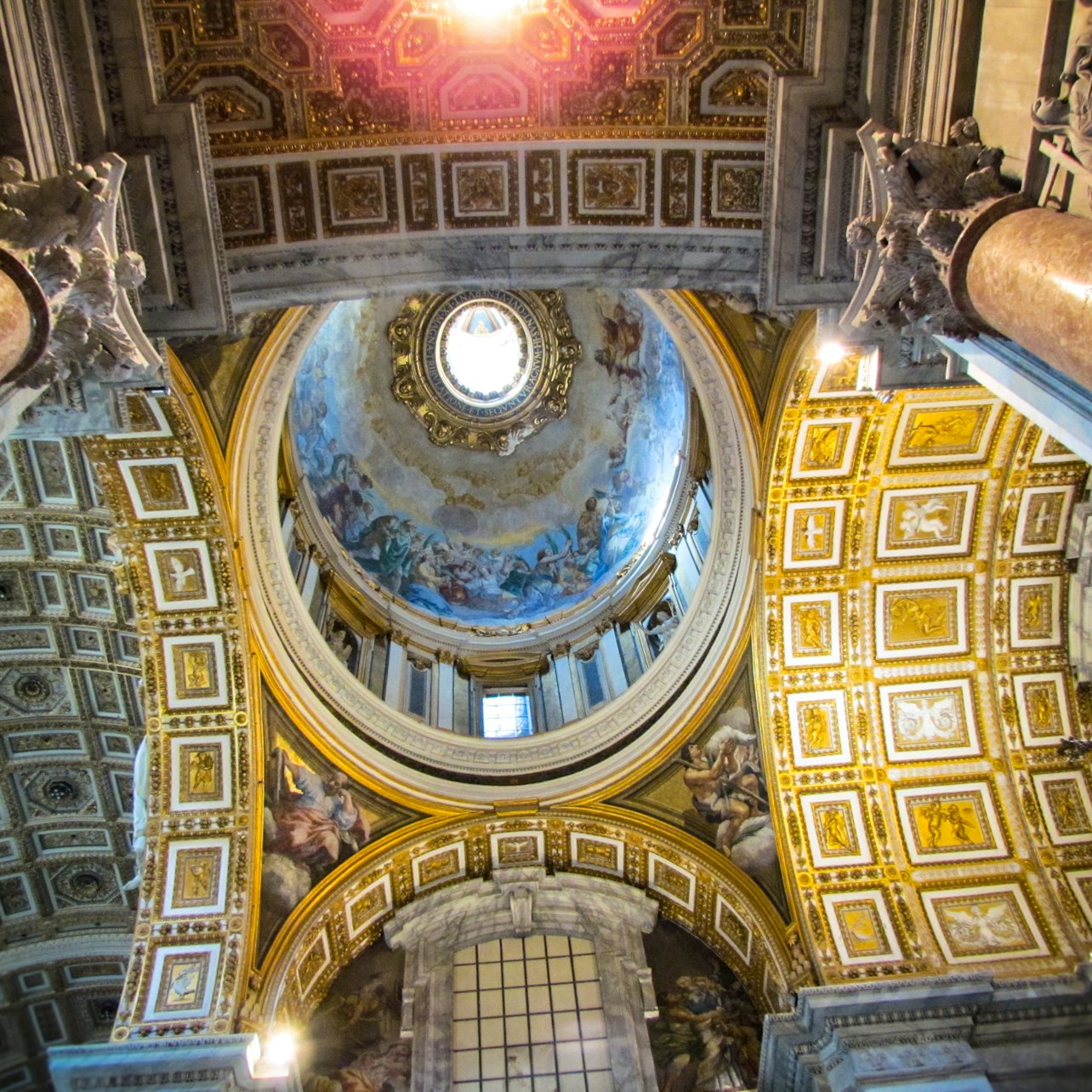
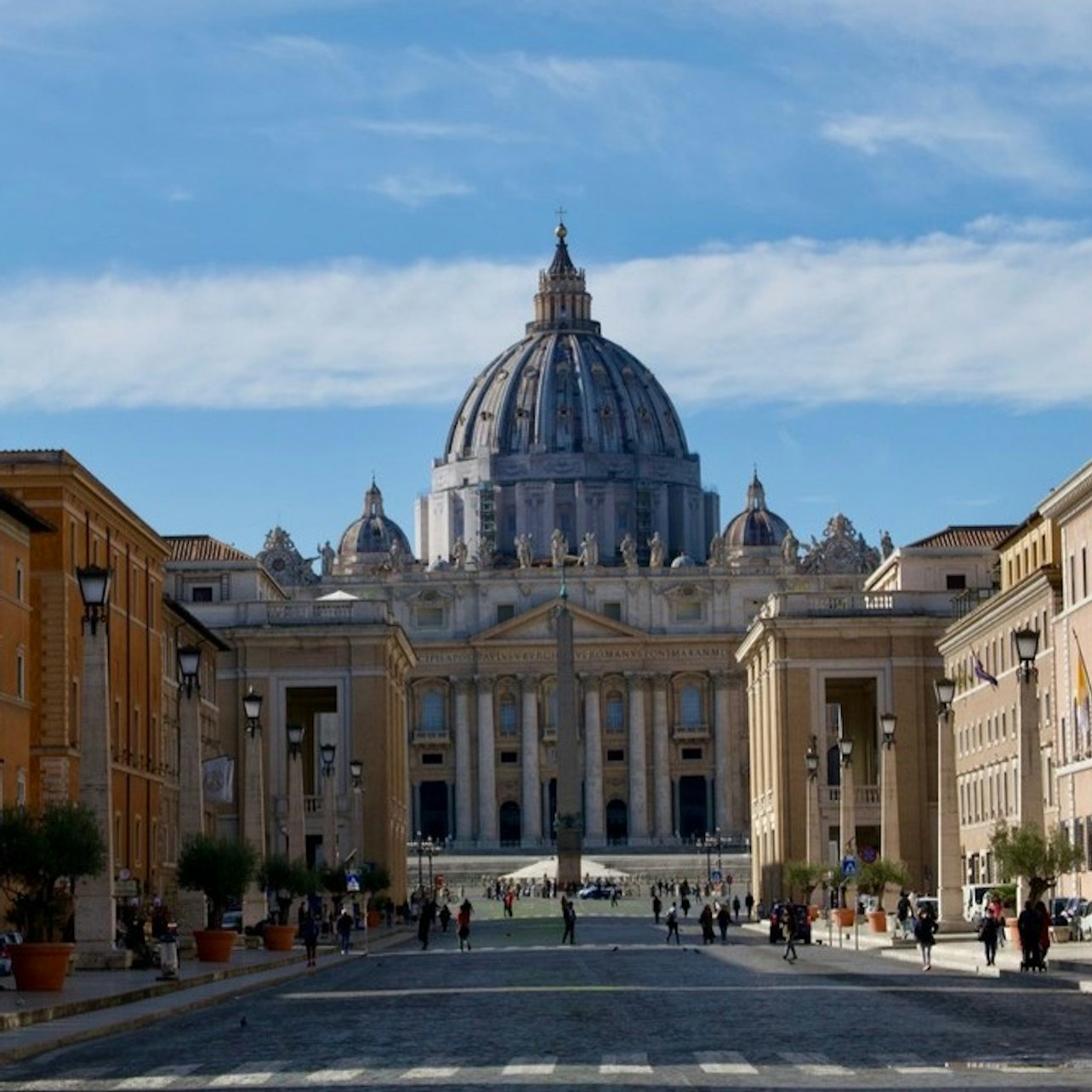
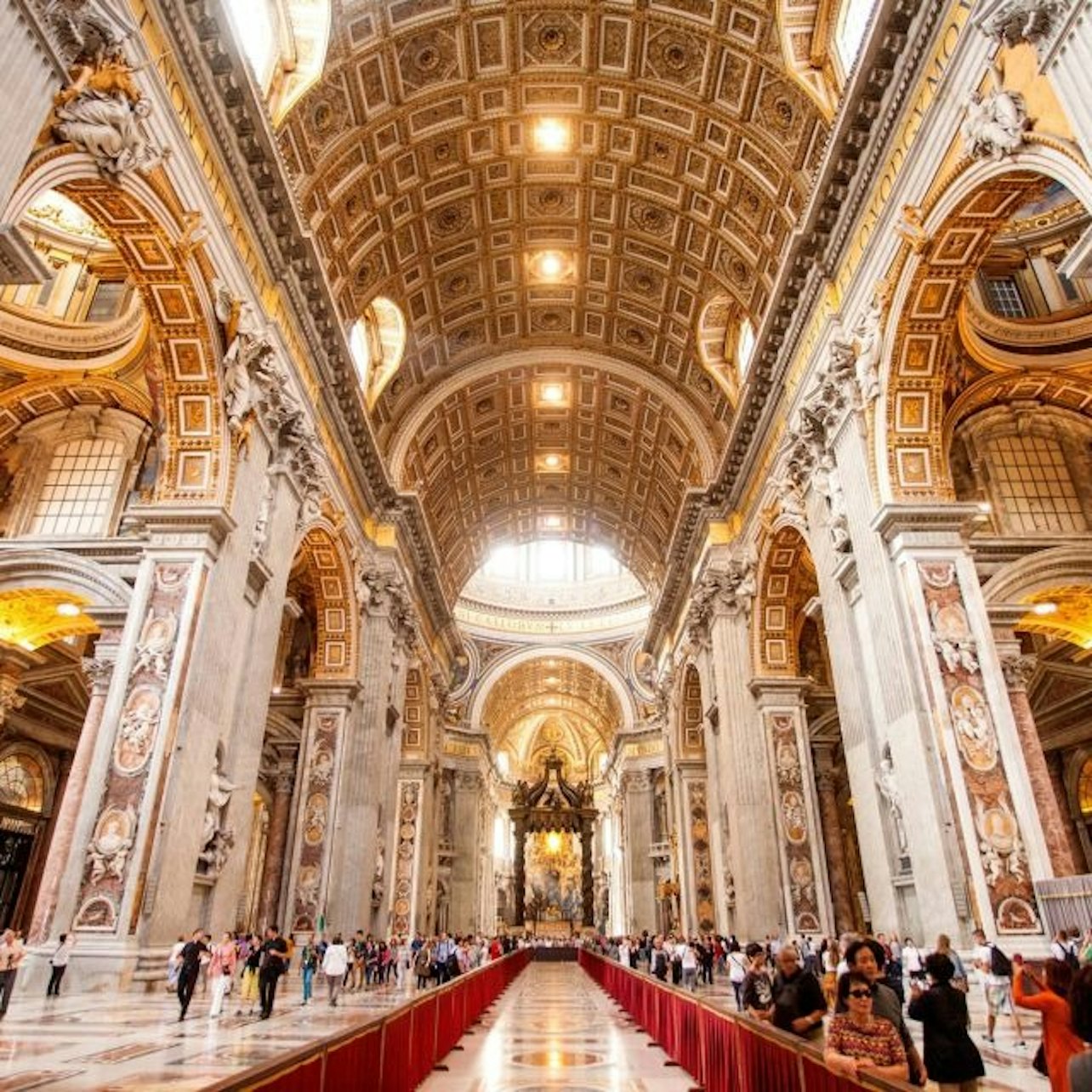
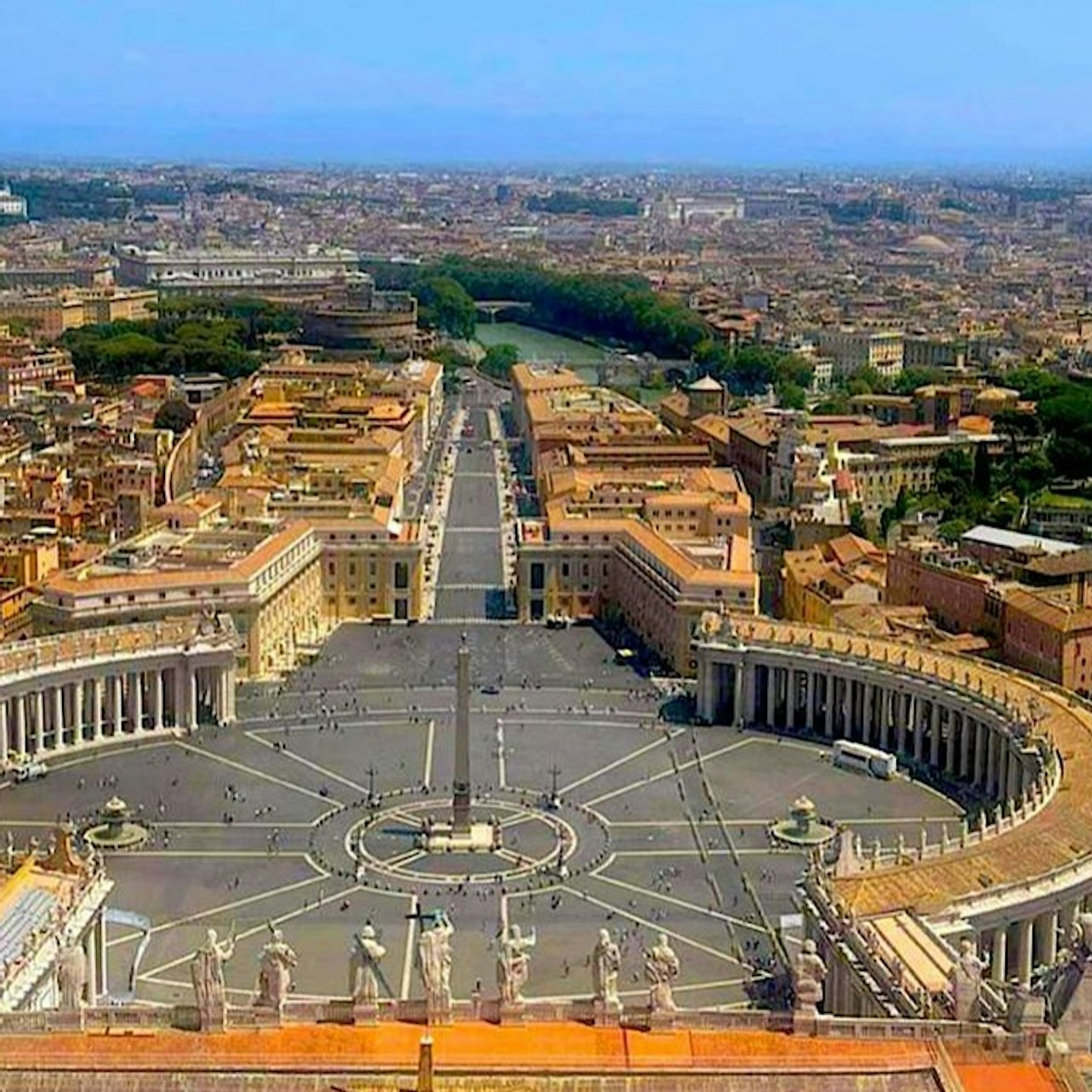
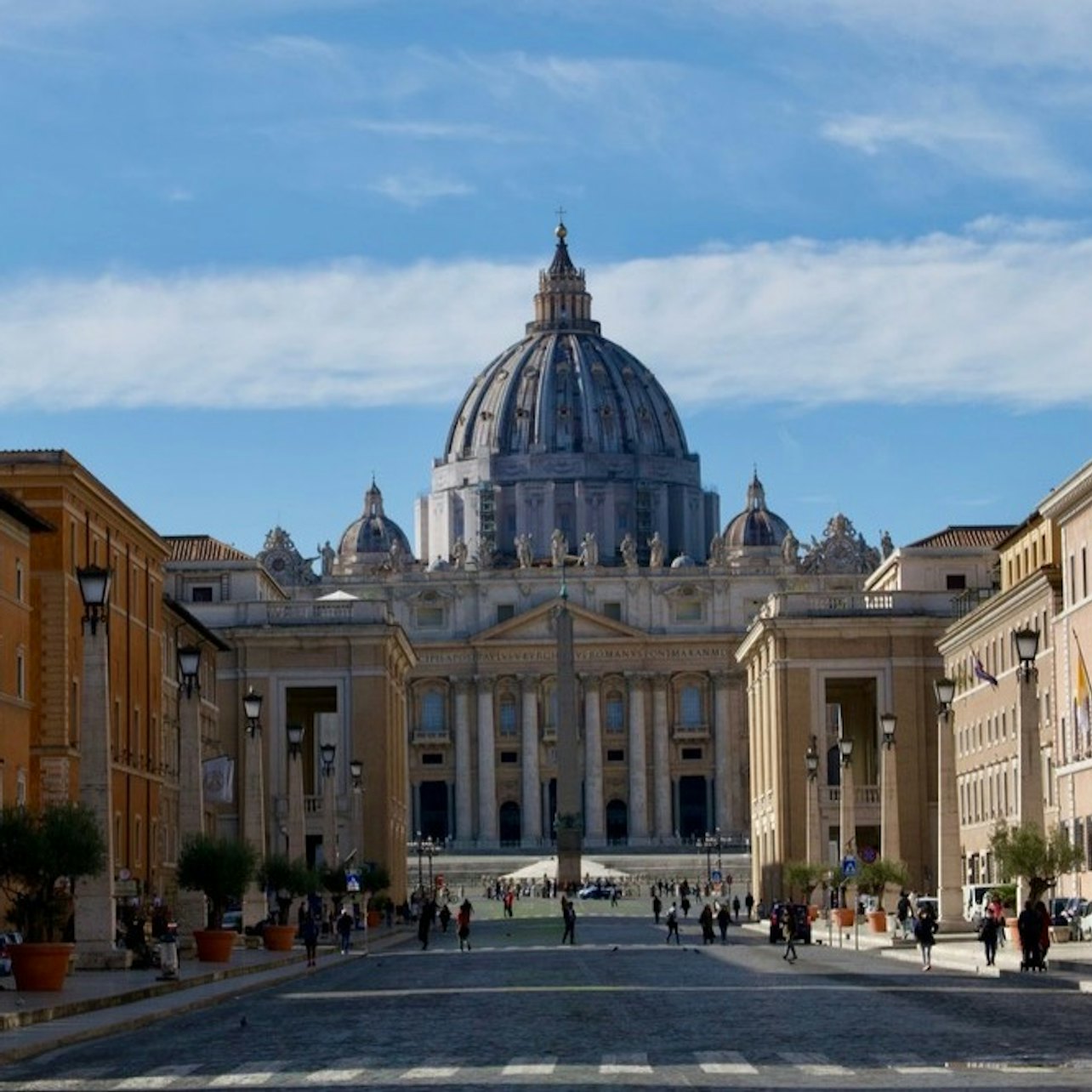
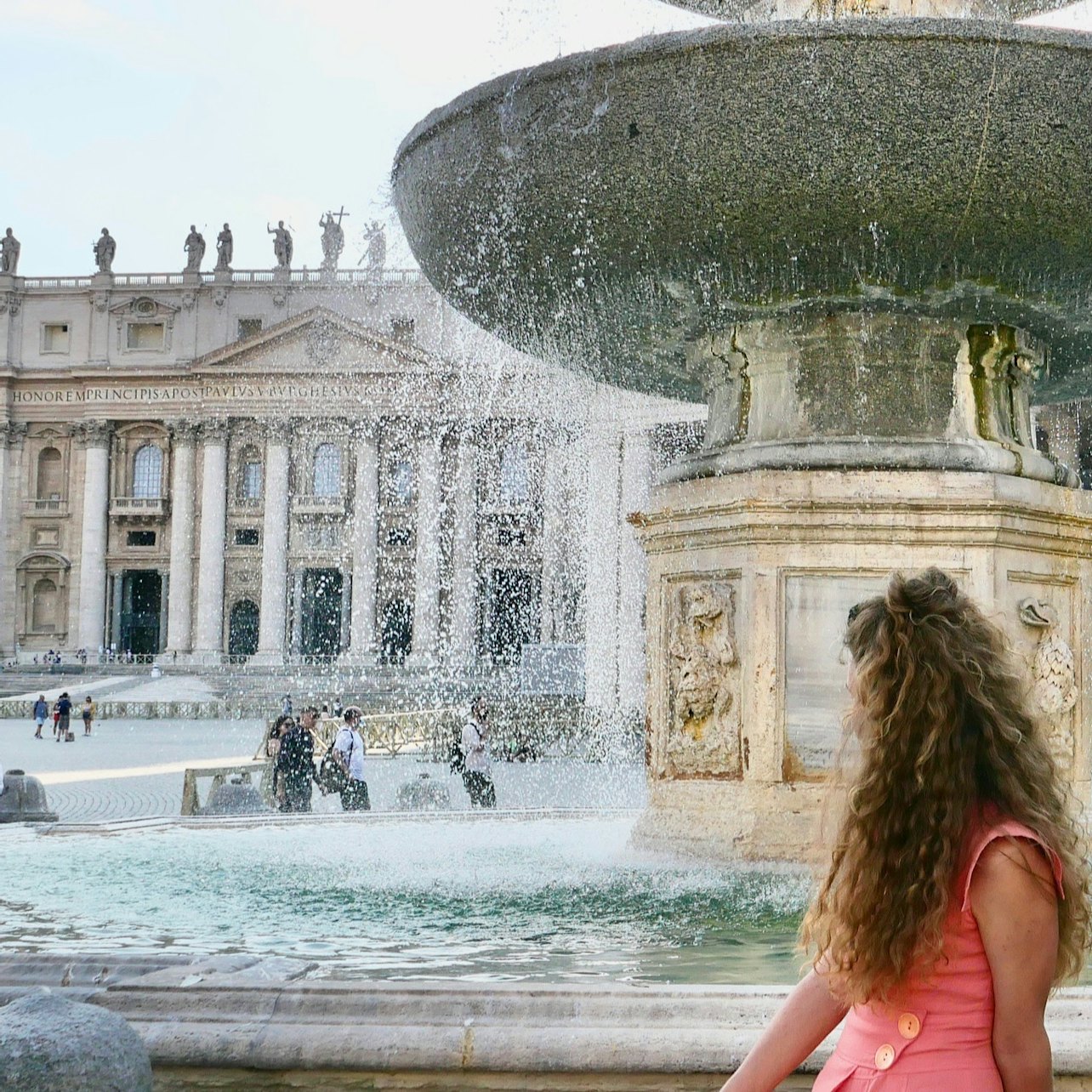
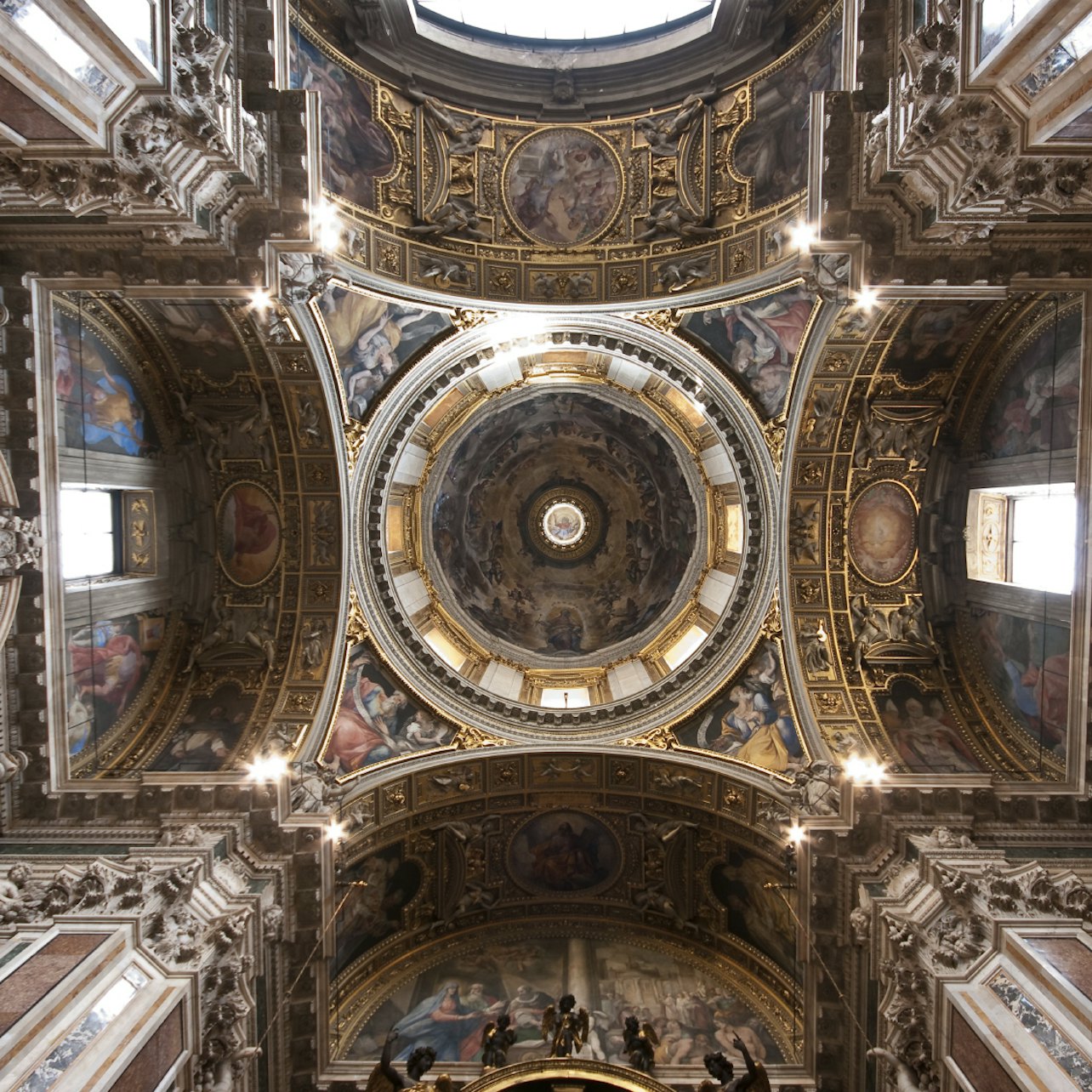
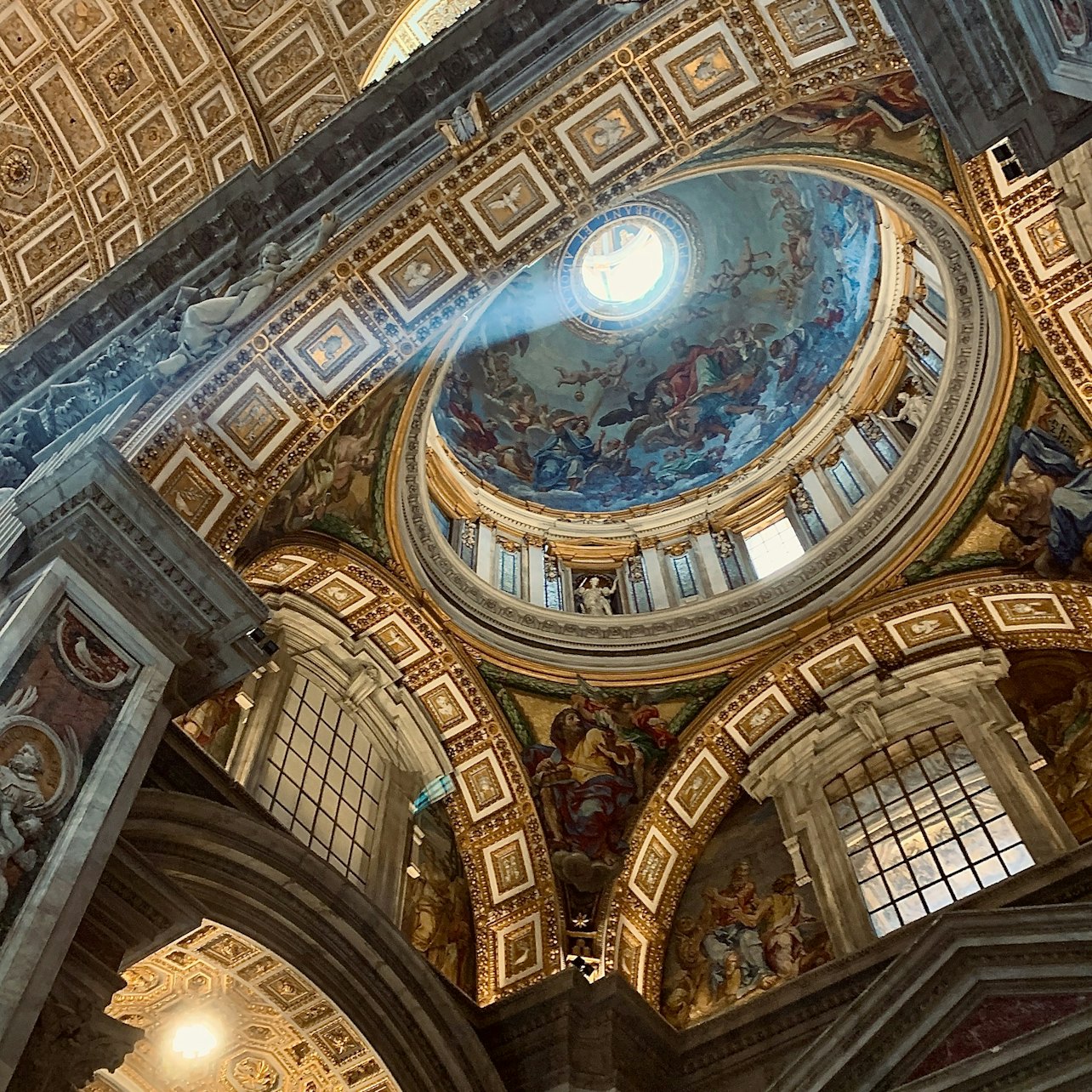
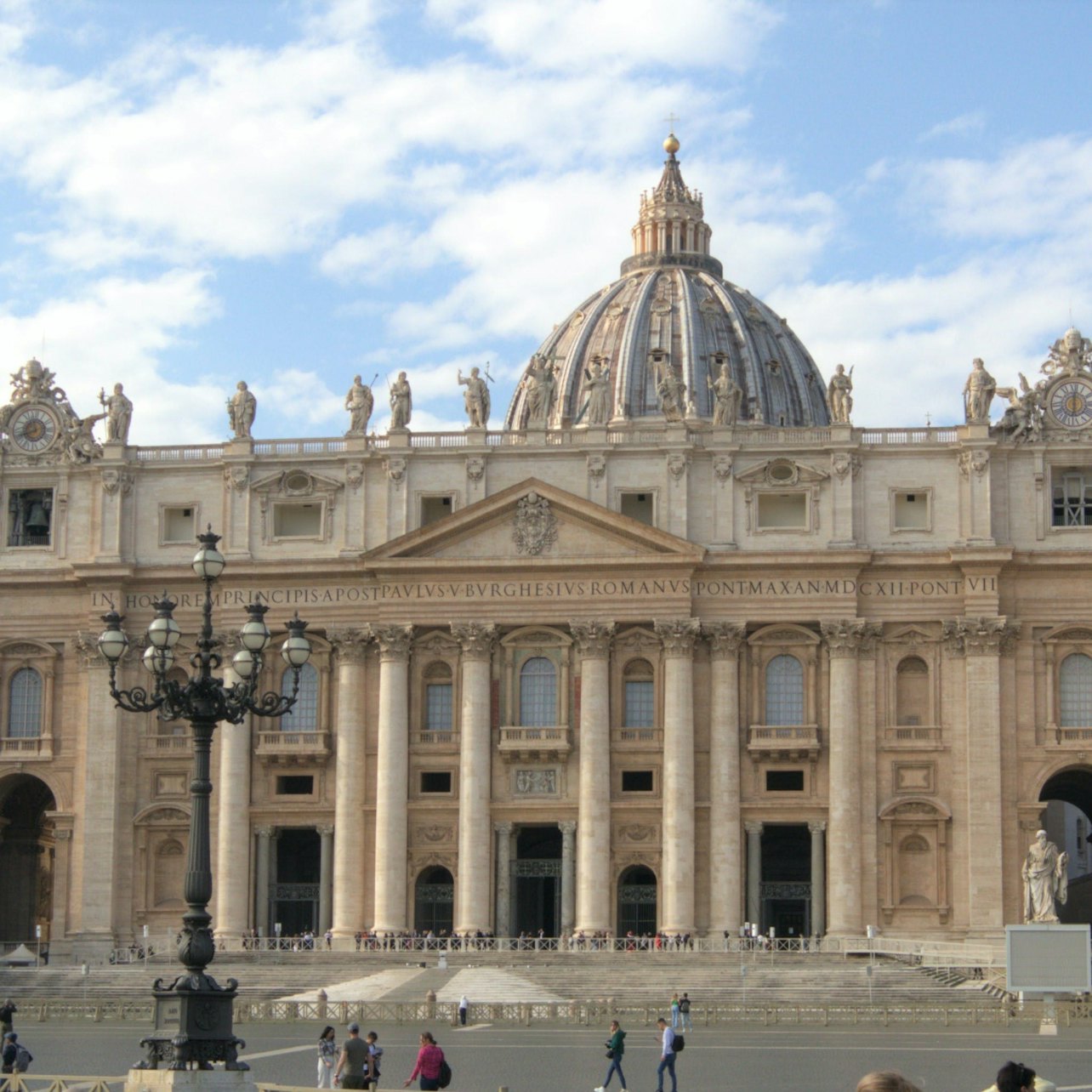
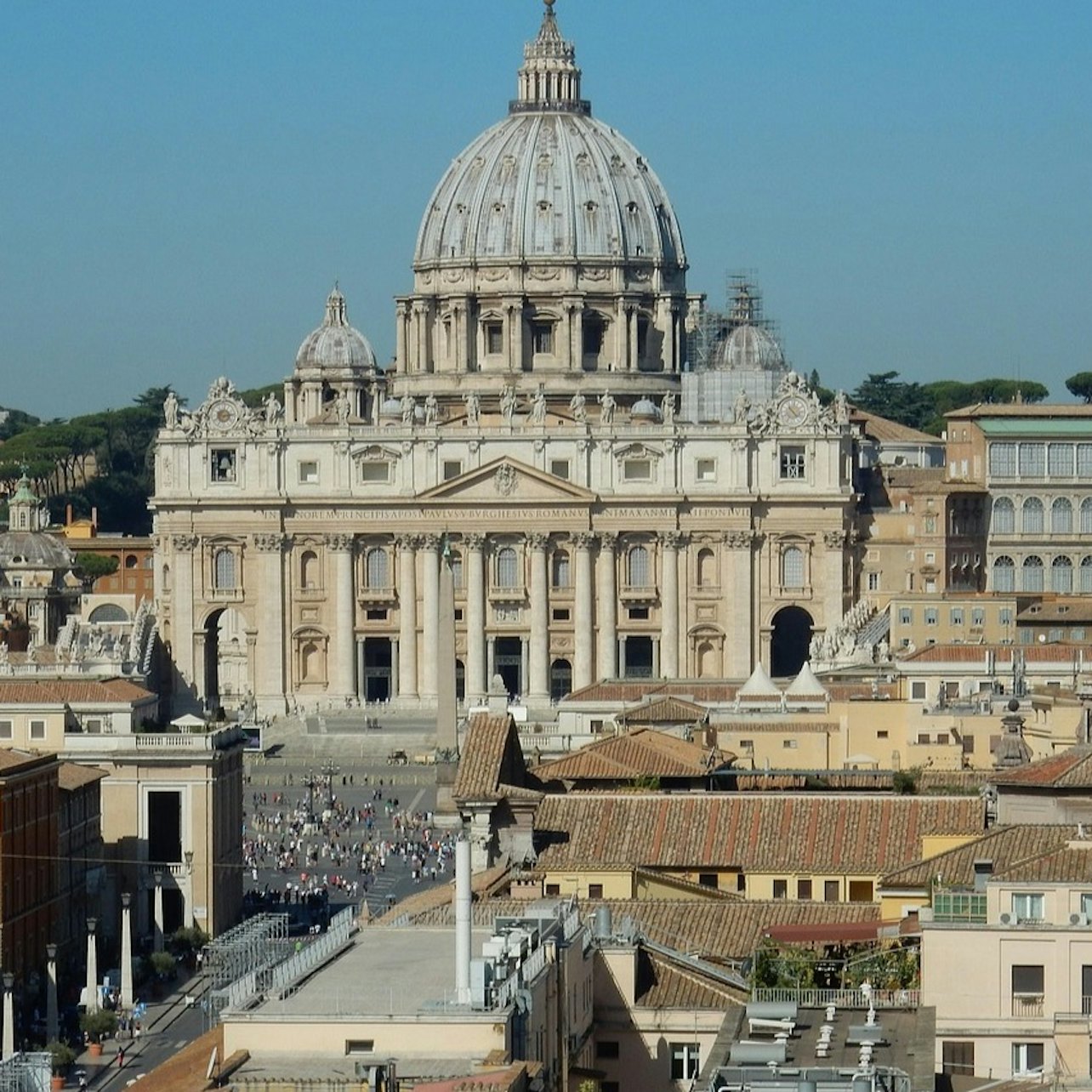
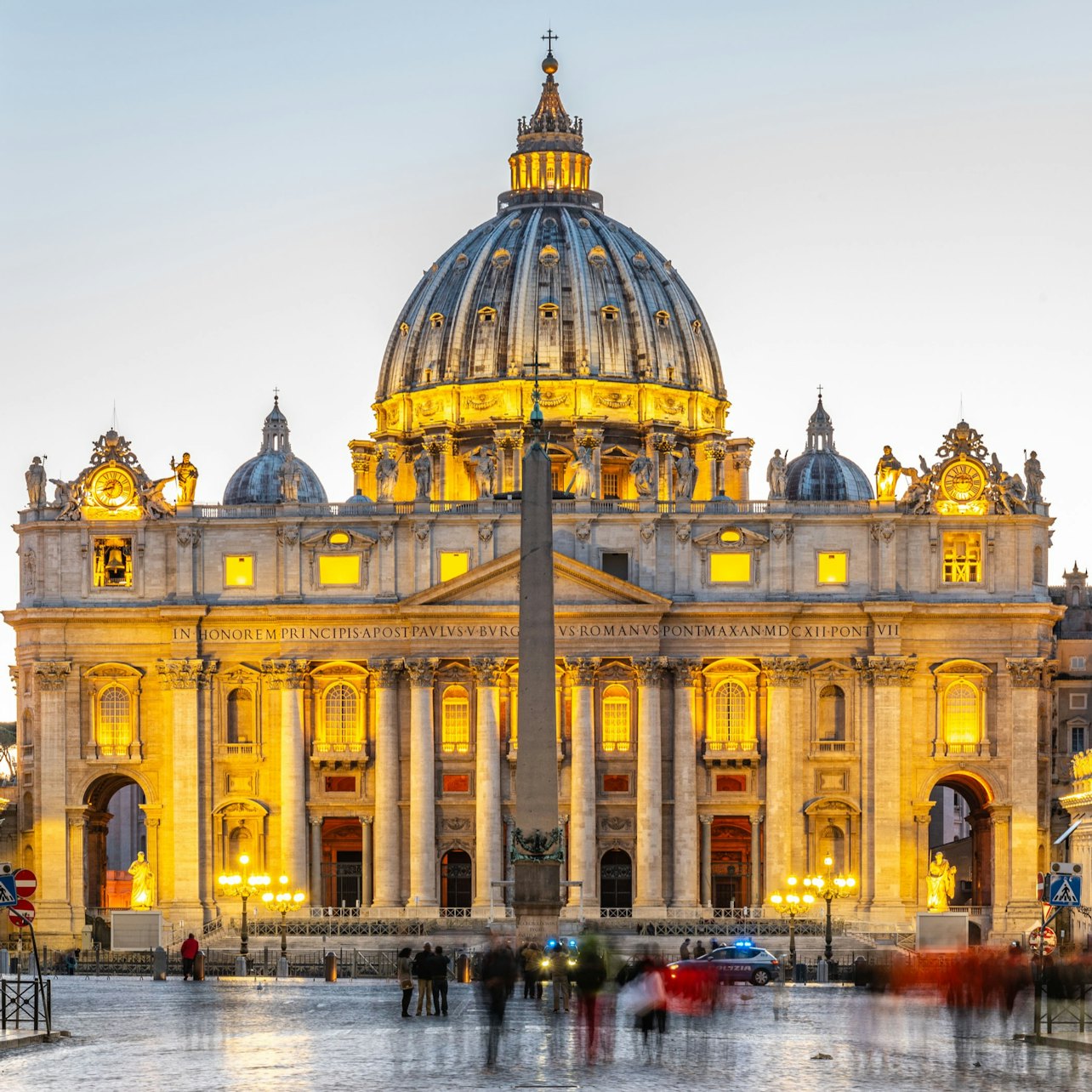
Located at the heart of Vatican City, St. Peter’s Basilica is the largest church in the world and a defining landmark of Rome. Construction of the current basilica took more than a century, beginning in 1506 and concluding in 1626, with major contributions from Bramante, Michelangelo, Carlo Maderno, and Gian Lorenzo Bernini. The result is a carefully unified space that blends Renaissance balance with Baroque drama.
The basilica is not a museum in the formal sense, but it houses some of the most influential artworks ever created, all displayed in the context for which they were designed.
Highlights Inside the Basilica
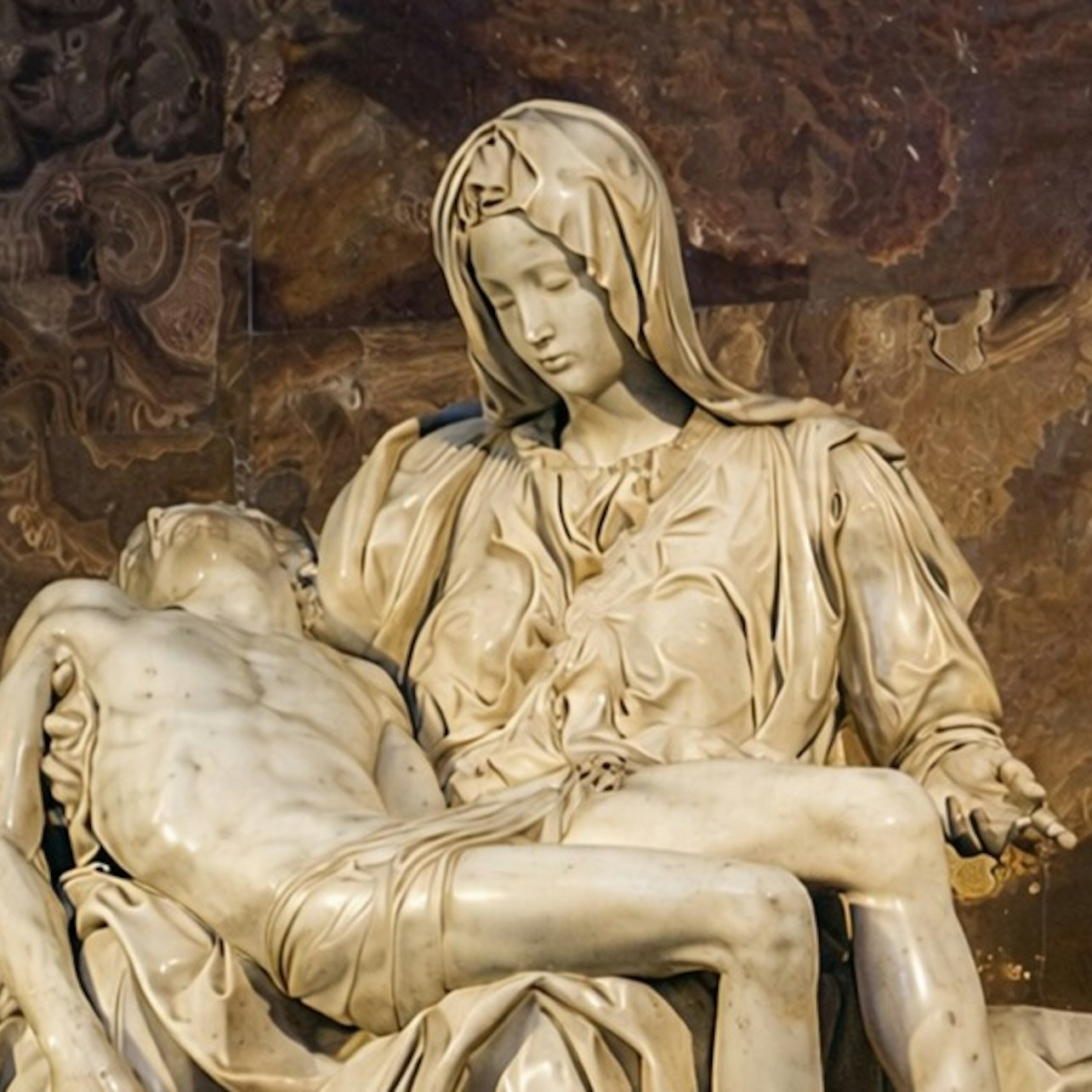
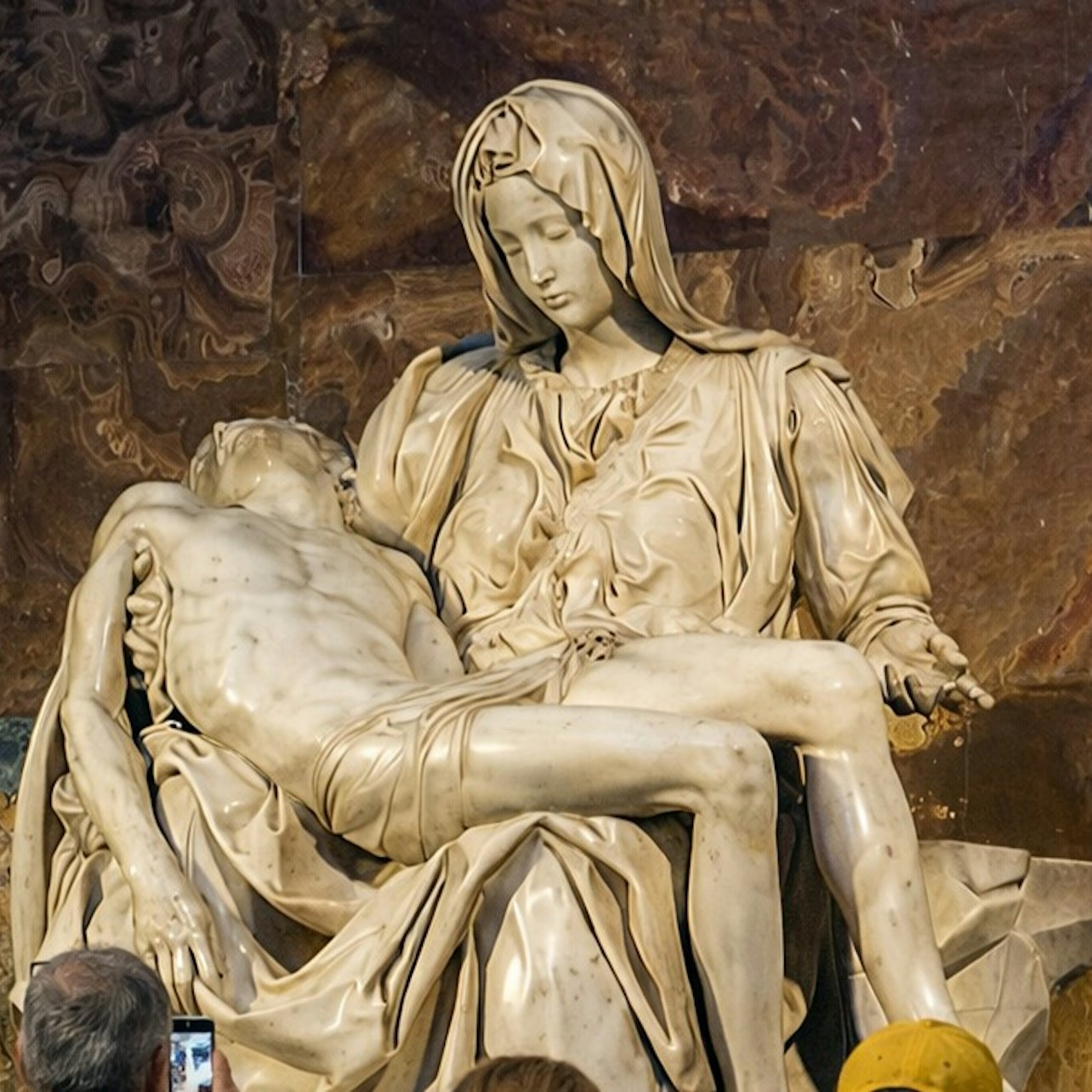
- Michelangelo’s Pietà: Positioned just inside the entrance on the right, this marble sculpture is the only work Michelangelo ever signed. It portrays Mary holding the body of Christ and is celebrated for its realism and emotional restraint.
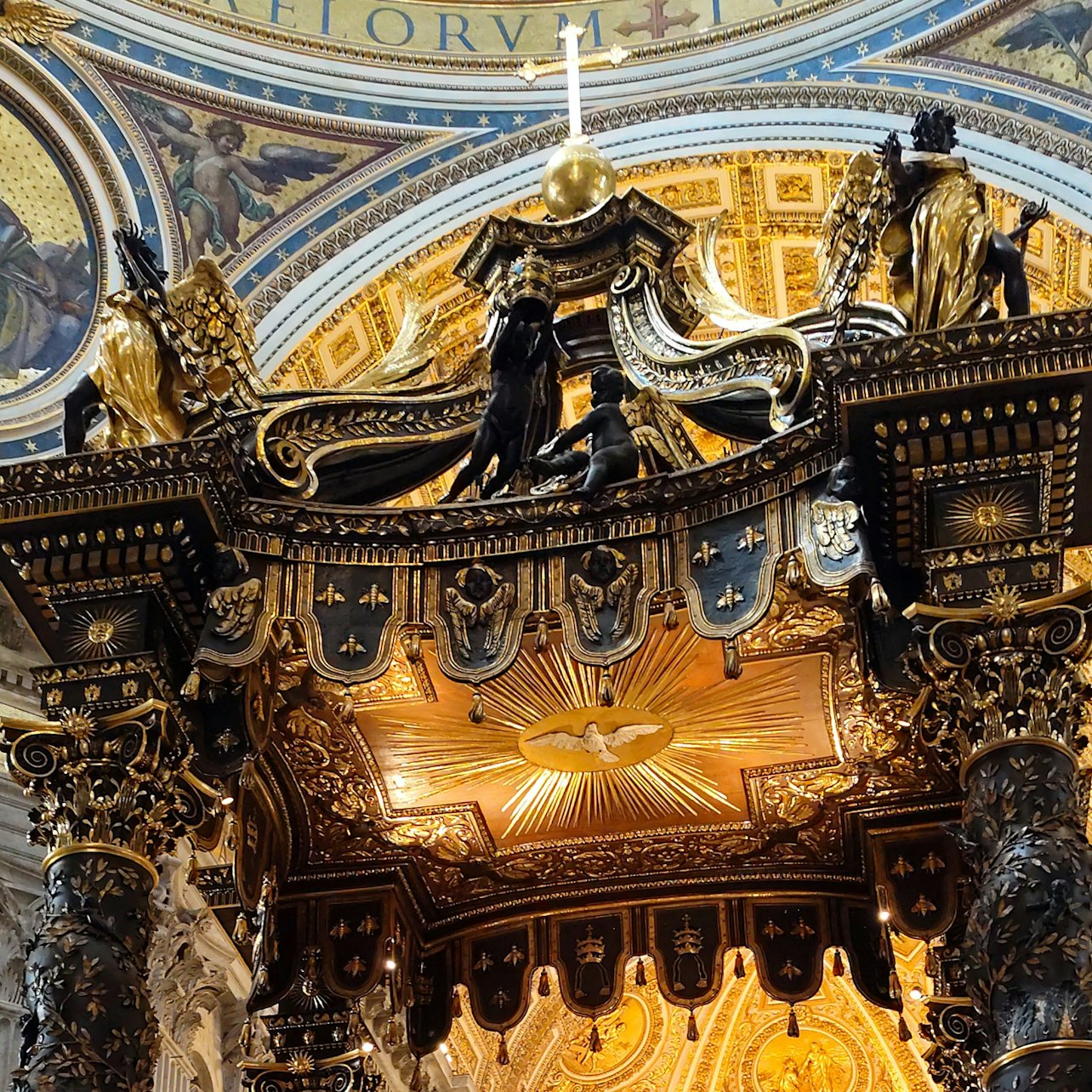
- Bernini’s Baldacchino: Standing nearly 100 feet tall, this monumental bronze canopy rises over the papal altar, which sits above the traditional tomb of St. Peter. Its twisted columns are a defining symbol of Roman Baroque art.
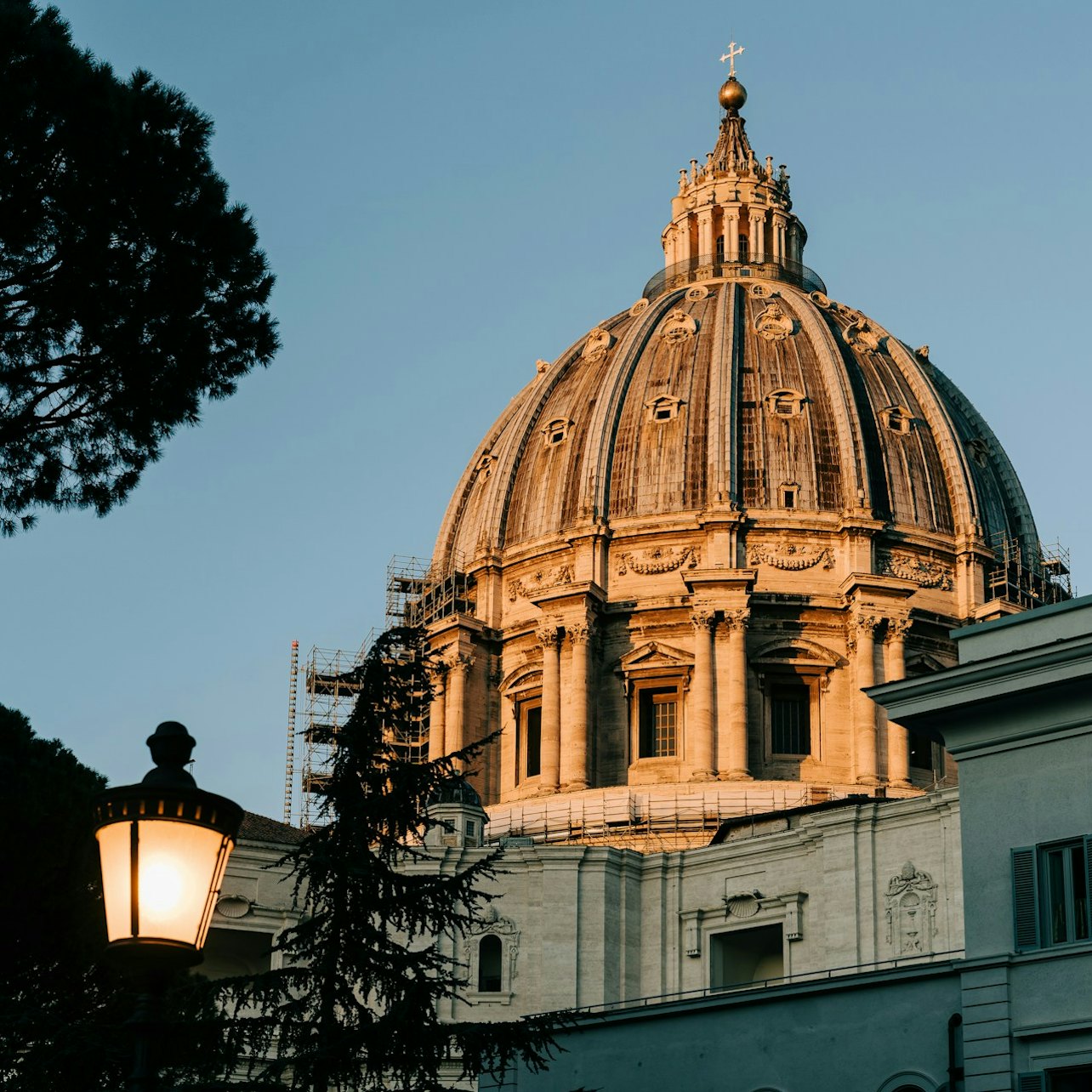
- The Dome: Designed by Michelangelo and completed after his death, the dome is one of the largest ever built. Visitors who climb to the top are rewarded with sweeping views over St. Peter’s Square, Vatican City, and central Rome.
Practical Information for Your Visit
Entry and Tickets
- General admission: Entry to the basilica itself is free.
- Dome climb: Access to the dome requires a ticket, with separate prices for climbing partway by elevator or entirely on foot.
- Treasury Museum: A small museum inside the basilica with liturgical objects; entry requires a separate ticket.
- Vatican Grottoes: Access to the grottoes, where many popes are buried, is free and included with a basilica visit.
Opening Hours and Dress Code
- Hours: The basilica generally opens daily at 7:00 AM and closes between 6:30 PM and 7:00 PM, depending on the season. Hours may change on Wednesdays due to papal audiences and during religious holidays.
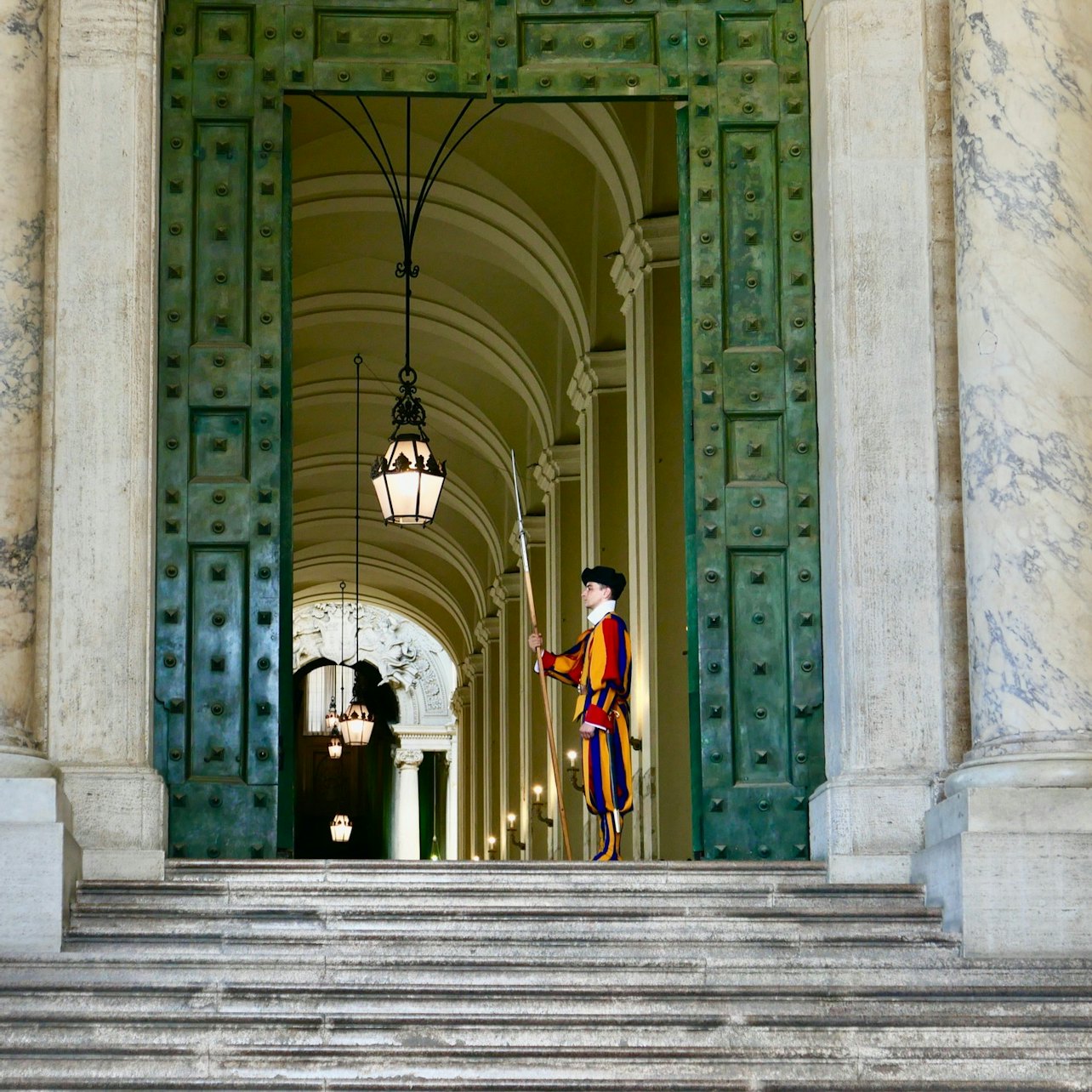
- Dress code: Shoulders and knees must be covered for all visitors. Entry may be denied if the dress code is not respected.
Navigating Crowds
Security screening is mandatory and lines can be long, especially late morning and midday. Arriving early—ideally before 9:00 AM—offers the calmest experience. Vatican Museums tickets do not include the basilica, and the museums have a separate entrance.
Why St. Peter’s Basilica Is Unique
St. Peter’s Basilica is built directly above centuries of history. Beneath the current structure are the remains of the 4th-century Constantinian Basilica, and below that lies the Vatican Necropolis, an ancient Roman burial ground that includes the site traditionally identified as the tomb of St. Peter. Few places in the world present such a clear, vertical record of religious, architectural, and cultural continuity.
Plan Your Visit
Whether you want to climb the dome, explore the grottoes, or join a guided tour for deeper context, planning ahead makes a significant difference. Check opening times in advance and secure tickets for the dome or guided experiences to make the most of your visit to St. Peter’s Basilica.
Ongoing Exhibitions
There are currently no ongoing exhibitions
See all ongoing local exhibitions in Rome
Tickets for St. Peter's Basilica









Nearby
- Vatican Museums → 521 meters
- Castel Sant'Angelo → 683 meters
- Rome Pantheon → 1.6 kilometer
- Spanish Steps → 2 kilometer
- Borghese Gallery → 3 kilometer
- Colosseum → 3.1 kilometer
- Airport Transfer Rome (Fiumicino) → 22.1 kilometer