Rome Pantheon
The Rome Pantheon is one of the city’s most extraordinary sights, combining ancient Roman engineering, living religious tradition, and practical visitor access in a single stop. This guide explains why the Pantheon is unique, what you will see inside, how to plan your visit under the current ticket system, and how to reach it easily while exploring Rome’s historic center.
Why the Pantheon Is Unique
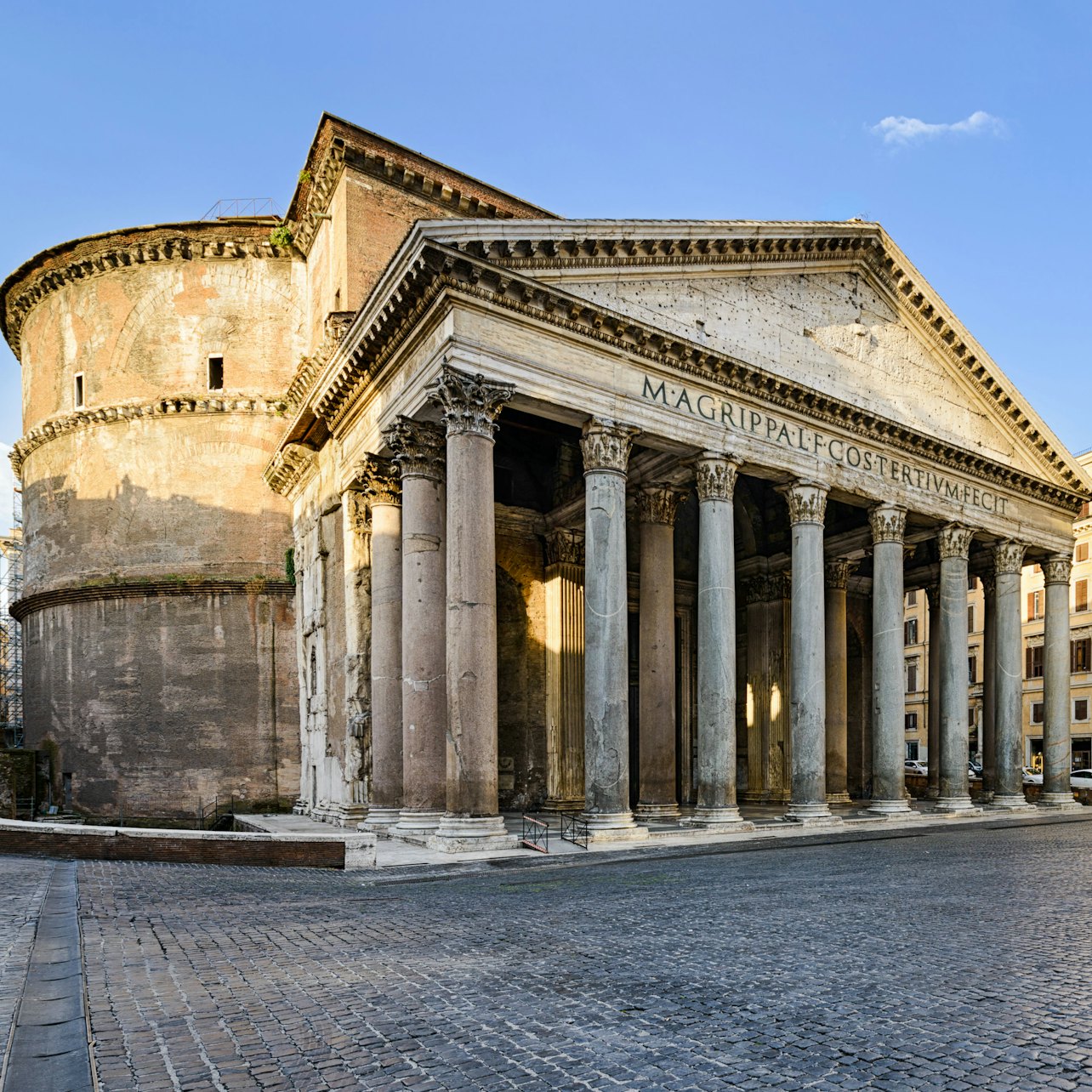
Completed during the reign of Emperor Hadrian around 125 AD, the Pantheon is the best-preserved major building from ancient Rome. Unlike most ancient monuments, it has been in continuous use for nearly two millennia. Originally dedicated as a temple to all Roman gods, it was consecrated as a Christian church in 609 AD and is still an active place of worship today, officially known as the Basilica of St. Mary and the Martyrs.
Its survival is largely due to this uninterrupted use, which spared it from the stone quarrying and neglect that affected many other ancient structures. Stepping inside is not about viewing ruins, but entering a complete and functioning ancient space.
Architectural Marvels and Engineering
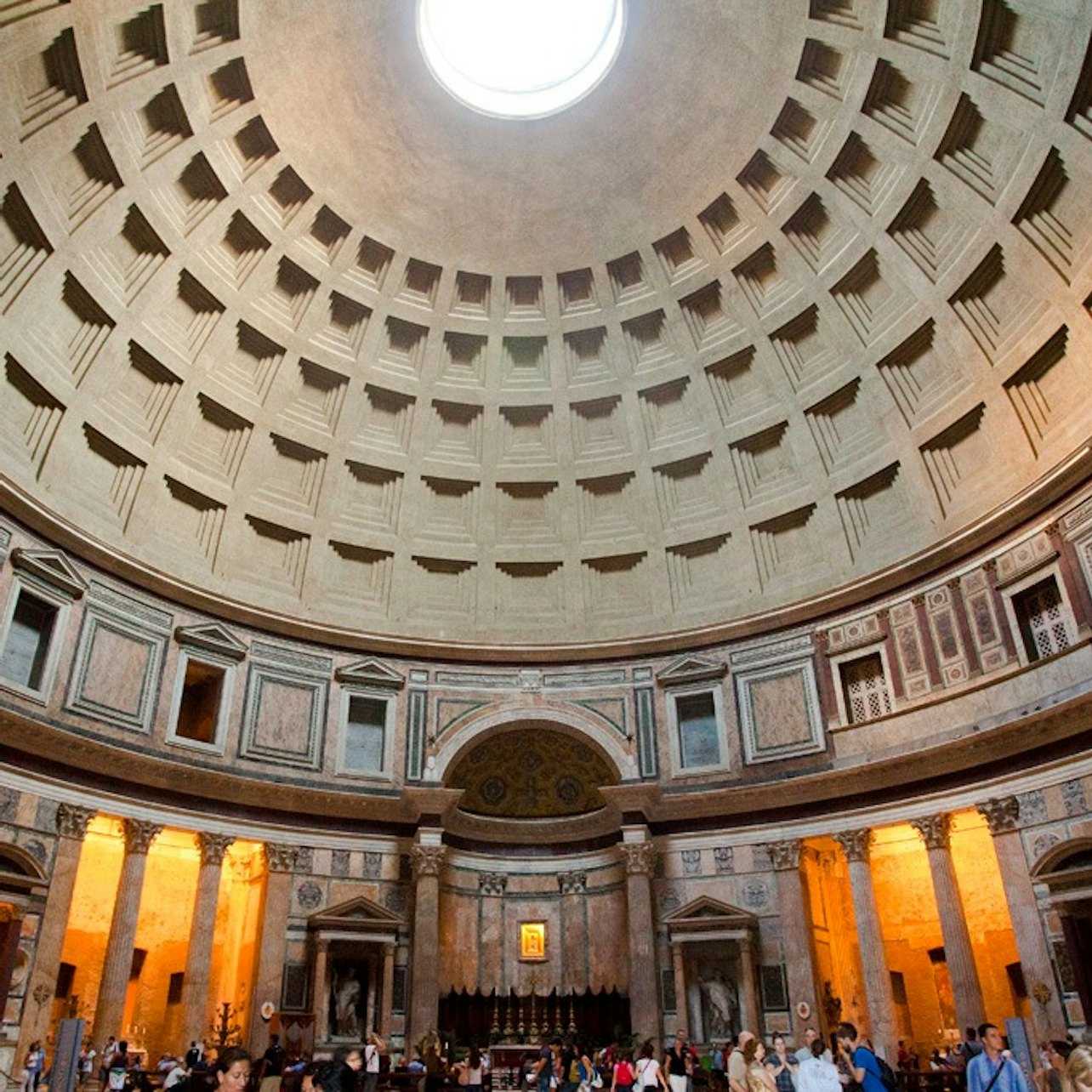
The Pantheon’s interior is dominated by its vast concrete dome, which remains the largest unreinforced concrete dome in the world. The Romans achieved this by gradually reducing the weight of the materials as the dome rises, incorporating lighter aggregates such as volcanic tuff and pumice toward the top.
The building’s proportions are precise and intentional: the height of the interior equals its diameter, forming a perfect sphere if completed.
The Oculus
At the center of the dome is the oculus, a circular opening measuring about 27 feet across. It is the Pantheon’s only source of natural light and ventilation. As the sun moves across the sky, light travels across the interior like a slow-moving spotlight.
Rain falls directly through the oculus onto the marble floor, which slopes subtly to allow water to drain through nearly invisible channels. On Pentecost, rose petals are traditionally released through the opening, an event that draws both locals and visitors.
Tombs and Historical Figures
The Pantheon also serves as a mausoleum for significant figures in Italian history. Inside, you can visit the tomb of Raphael, one of the great artists of the Renaissance, as well as the resting places of King Victor Emmanuel II and King Umberto I, early rulers of unified Italy.
Planning Your Visit
Since July 2023, entry to the Pantheon requires a ticket for most visitors, reflecting its popularity and conservation needs.
- Opening Hours: Generally open daily from 9:00 AM to 7:00 PM, though hours may vary on holidays.
- Last Entry: Usually 15–30 minutes before closing.
- Dress Code: Modest attire is required. Shoulders and knees must be covered.
- Best Time to Visit: Late morning to early afternoon offers the most dramatic light through the oculus, while early mornings are typically quieter.
Location and Access
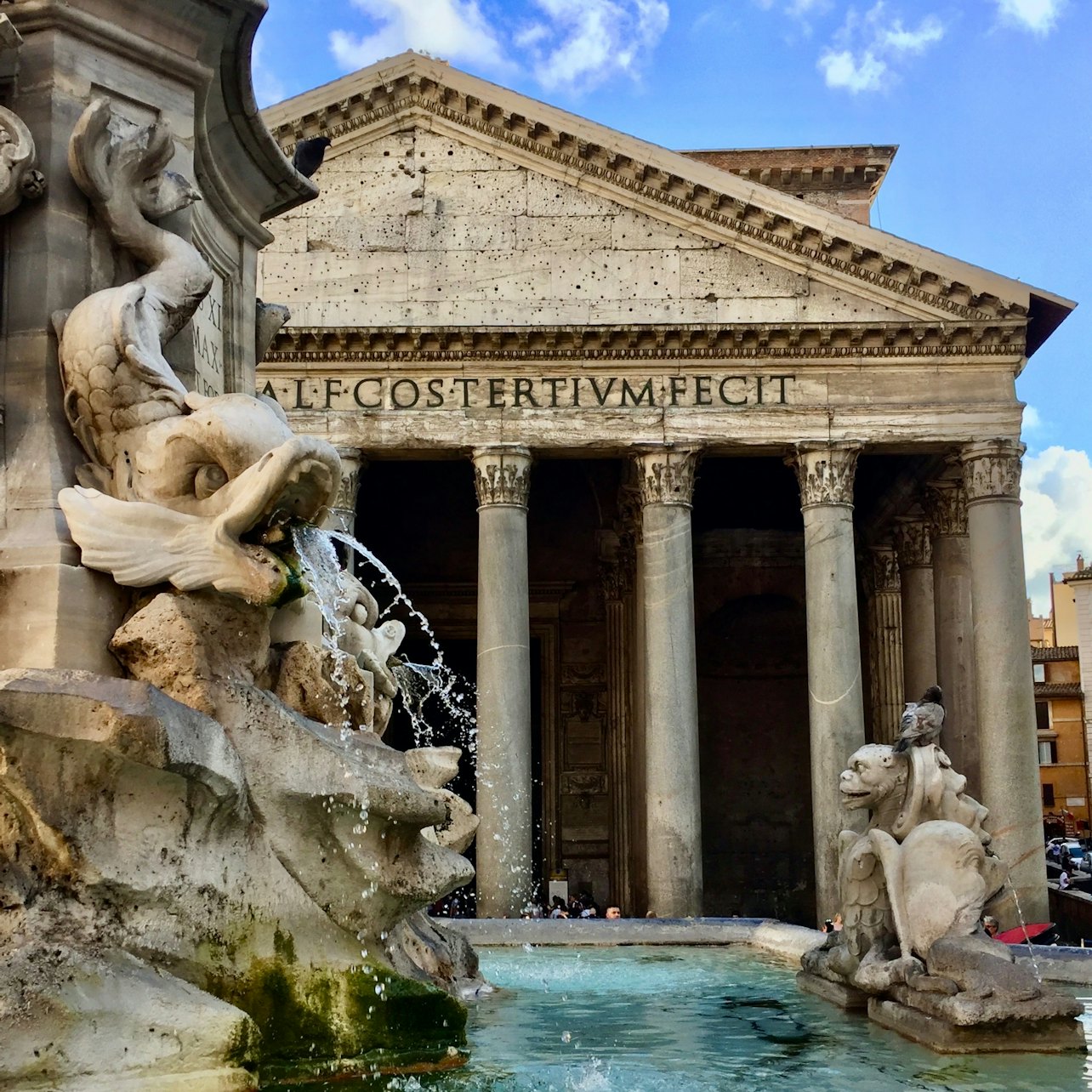
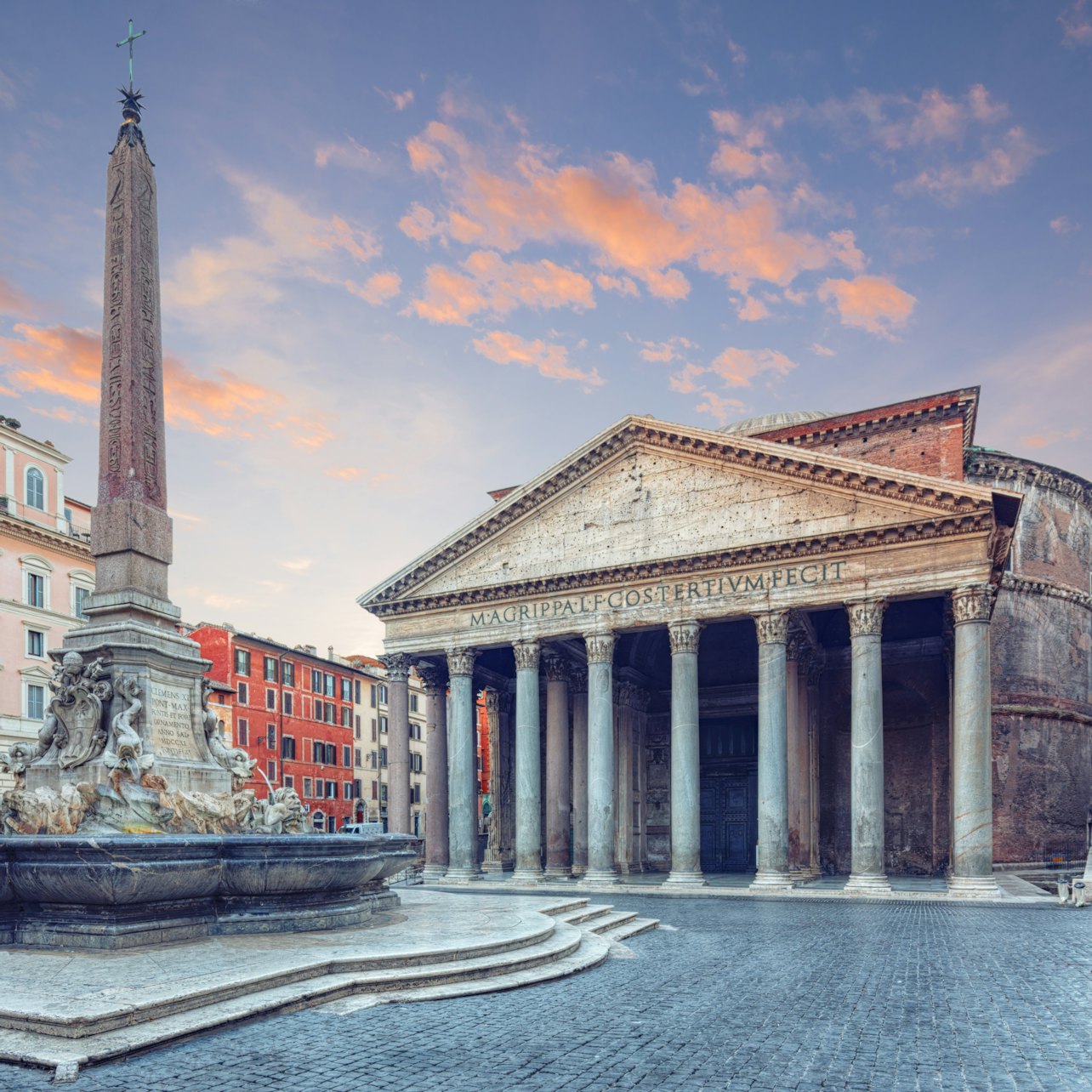
The Pantheon sits in Piazza della Rotonda, surrounded by cafés and small streets in Rome’s historic center. It is easily reached on foot:
- Piazza Navona: About 5 minutes
- Trevi Fountain: About 8 minutes
- Largo di Torre Argentina: About 4 minutes, with multiple bus connections
Vehicles cannot approach the entrance directly, so expect a short walk over uneven sanpietrini cobblestones.
Secure Your Entry
The Pantheon is one of Rome’s most visited landmarks, and lines can be long, especially on weekends and in summer. Booking your ticket in advance helps you save time and ensures smooth access to this remarkable monument.
Ongoing Exhibitions
There are currently no ongoing exhibitions
See all ongoing local exhibitions in Rome
Tickets for Rome Pantheon






Nearby
- Castel Sant'Angelo → 977 meters
- Colosseum → 1.5 kilometer
- St. Peter's Basilica → 1.6 kilometer
- Saint Peter → 1.7 kilometer
- Vatican Museums → 2.1 kilometer
- Borghese Gallery → 2.1 kilometer
- Airport Transfer Rome (Fiumicino) → 23 kilometer