Castel Sant'Angelo
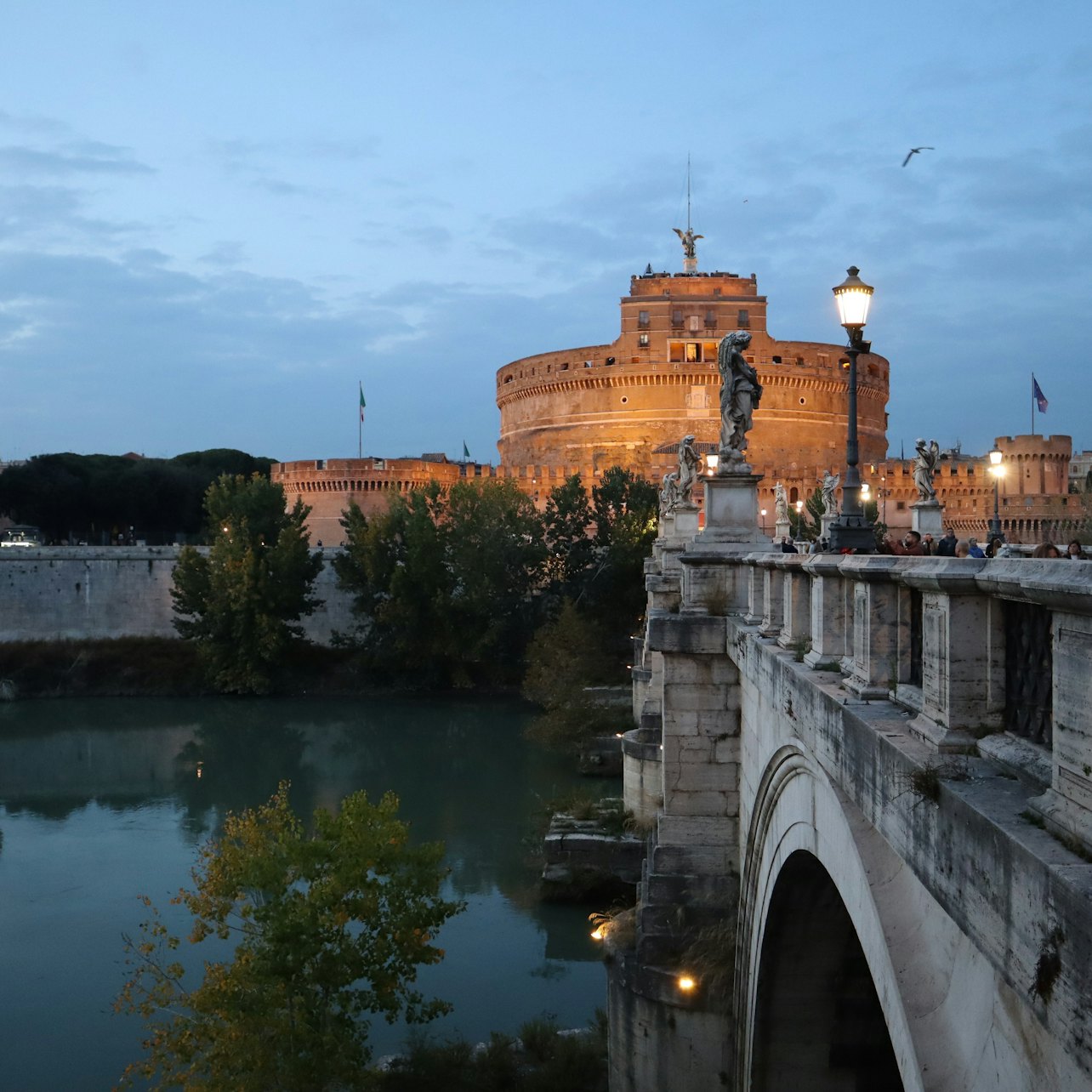
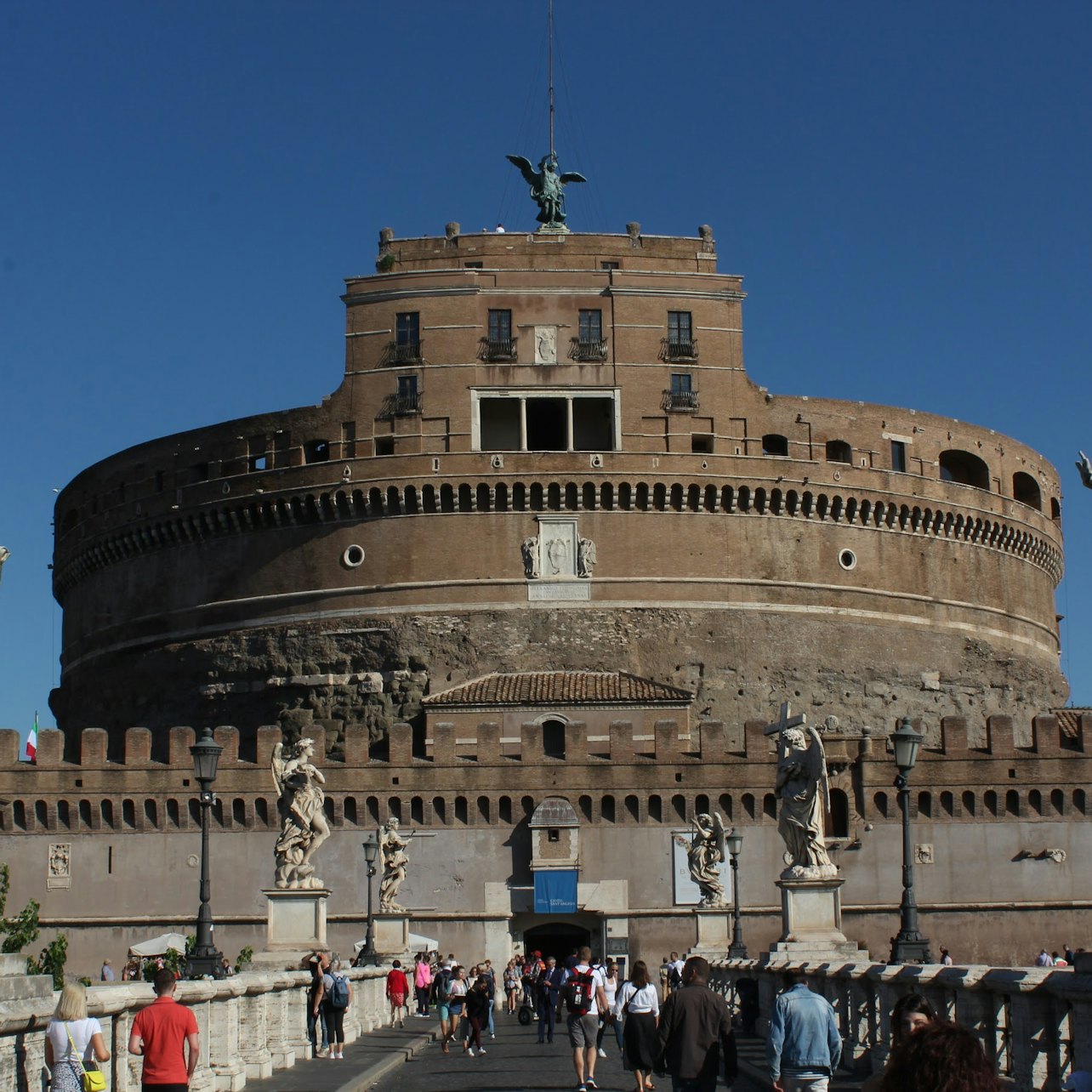
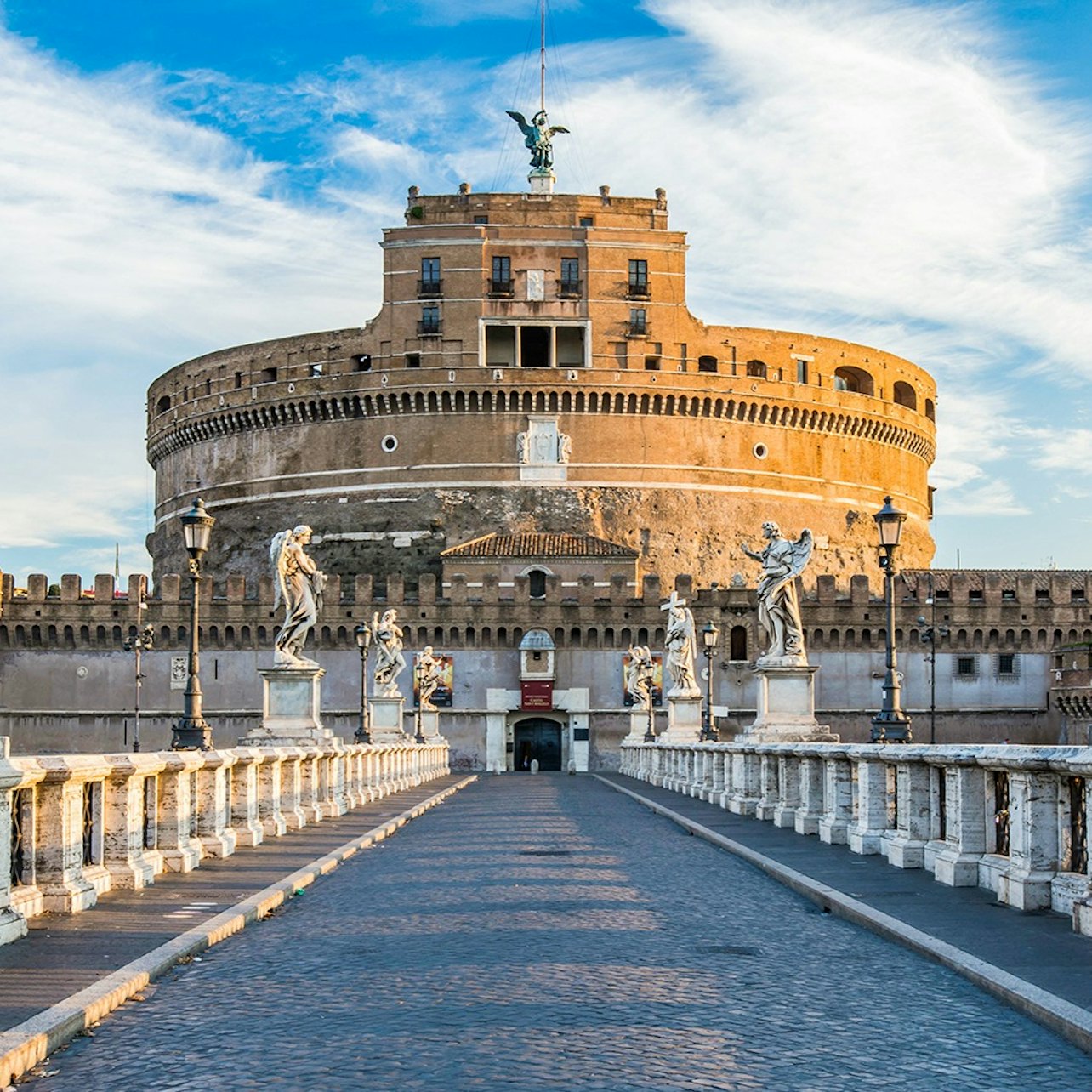
Castel Sant'Angelo is a single monument that brings together ancient Rome, papal power, Renaissance art, and some of the best views in the city. Built as Emperor Hadrian’s mausoleum and later transformed into a fortress, residence, and prison, it is now a national museum that can be explored floor by floor. Visiting Castel Sant'Angelo offers a clear, chronological journey through nearly two thousand years of Roman history, capped by panoramic views over the Vatican and the historic center.
The Evolution of a Roman Landmark
Few buildings in Rome have adapted to changing political and military needs as dramatically as Castel Sant'Angelo. Unlike many ancient monuments that fell into ruin, this structure was continuously reused and reinforced.
- Hadrian’s Mausoleum: Construction began around 123 AD and was completed in 139 AD. The cylindrical tomb housed the remains of Emperor Hadrian and several successors until the early 3rd century.
- A Medieval Fortress: By the Middle Ages, the mausoleum had been incorporated into Rome’s defensive walls and converted into a military stronghold. In 1277, the fortified Passetto di Borgo was built, allowing popes to escape directly to the Vatican during sieges.
- Papal Residence and Prison: From the 14th to the 17th centuries, the castle served as a papal refuge and state prison, holding figures such as Benvenuto Cellini.
- A National Museum: Since the early 20th century, Castel Sant'Angelo has functioned as a museum, preserving its layered architectural and political history.
What to See Inside Castel Sant'Angelo
The visit follows a gradual ascent, starting from the massive Roman core and ending on the open-air terrace above.
- The Spiral Ramp: Originally designed for ceremonial processions to the imperial tomb, this wide ramp leads visitors through the earliest phase of the building.
- The Sala Paolina: Commissioned by Pope Paul III, this richly decorated room features illusionistic frescoes typical of Mannerist art.
- The Treasury Room: A heavily fortified circular chamber used to safeguard papal documents and valuables.
- Courtyards and Prisons: Open spaces and preserved cells provide insight into the castle’s military and judicial roles.
The Courtyard of the Angel
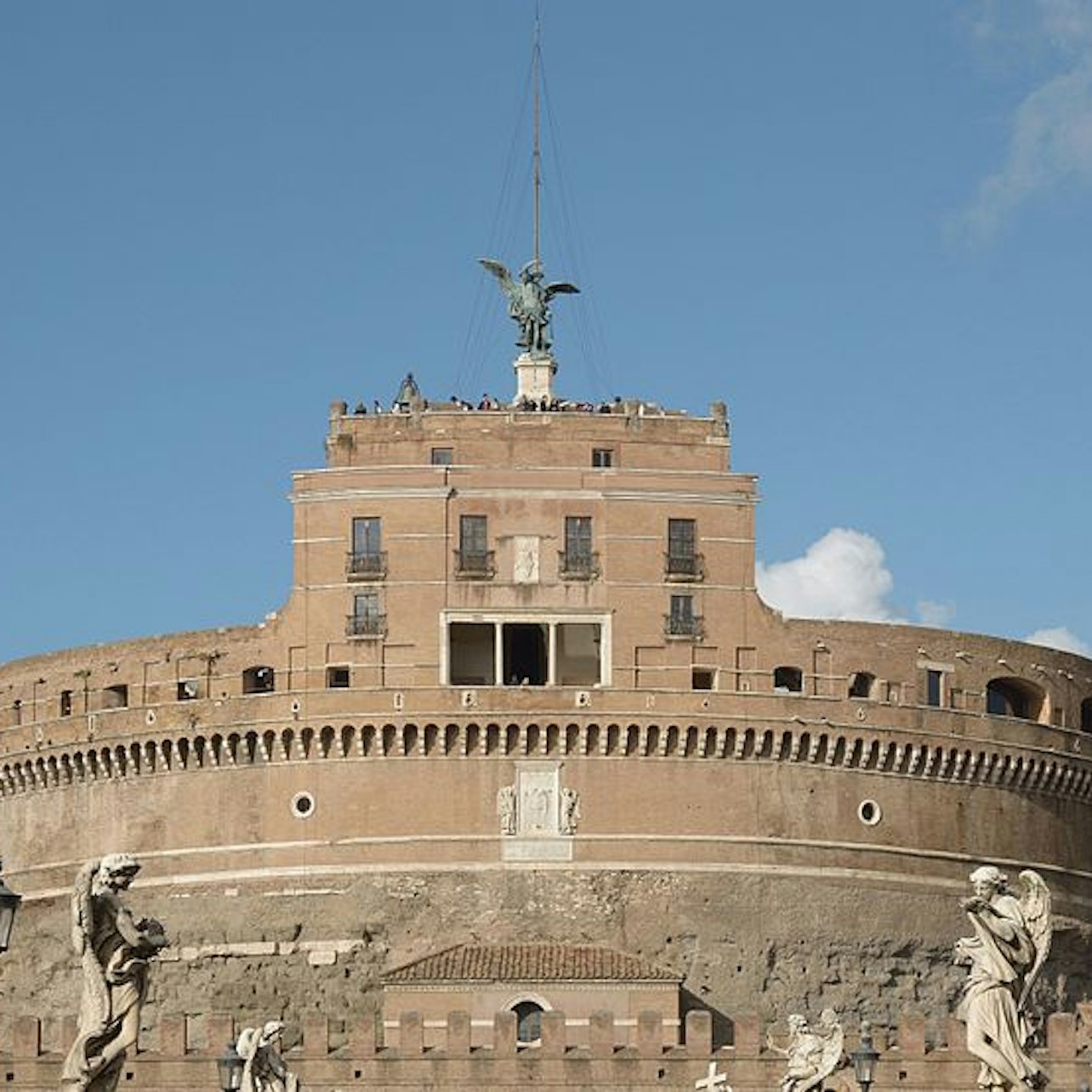
This courtyard houses the original marble statue of the Archangel Michael, carved in 1544 by Raffaello da Montelupo. The statue was later replaced on the roof by the bronze version that remains today.
Views from the Terrazzo dell’Angelo
The final level opens onto one of Rome’s most impressive viewpoints. From the terrace, visitors can follow the straight axis of Ponte Sant'Angelo across the Tiber, framed by Bernini’s angel statues. St. Peter’s Basilica dominates the skyline to the west, while the historic center unfolds in every other direction.
Practical Visitor Information
- Location: Lungotevere Castello, near Vatican City.
- Time Needed: Plan for 90 minutes to two hours.
- Accessibility: Numerous ramps and staircases; uneven surfaces are common.
- Opening Hours: Hours vary by season, with occasional evening openings in summer.
To avoid queues and ensure access, booking tickets for Castel Sant'Angelo in advance is strongly recommended, especially during peak travel months.
Ongoing Exhibitions
There are currently no ongoing exhibitions
See all ongoing local exhibitions in Rome
Tickets for Castel Sant'Angelo




Nearby
- Saint Peter → 800 meters
- Rome Pantheon → 977 meters
- Vatican Museums → 1.1 kilometer
- Spanish Steps → 1.4 kilometer
- Borghese Gallery → 2.4 kilometer
- Colosseum → 2.5 kilometer
- Airport Transfer Rome (Fiumicino) → 22.6 kilometer