St. Mark's Basilica
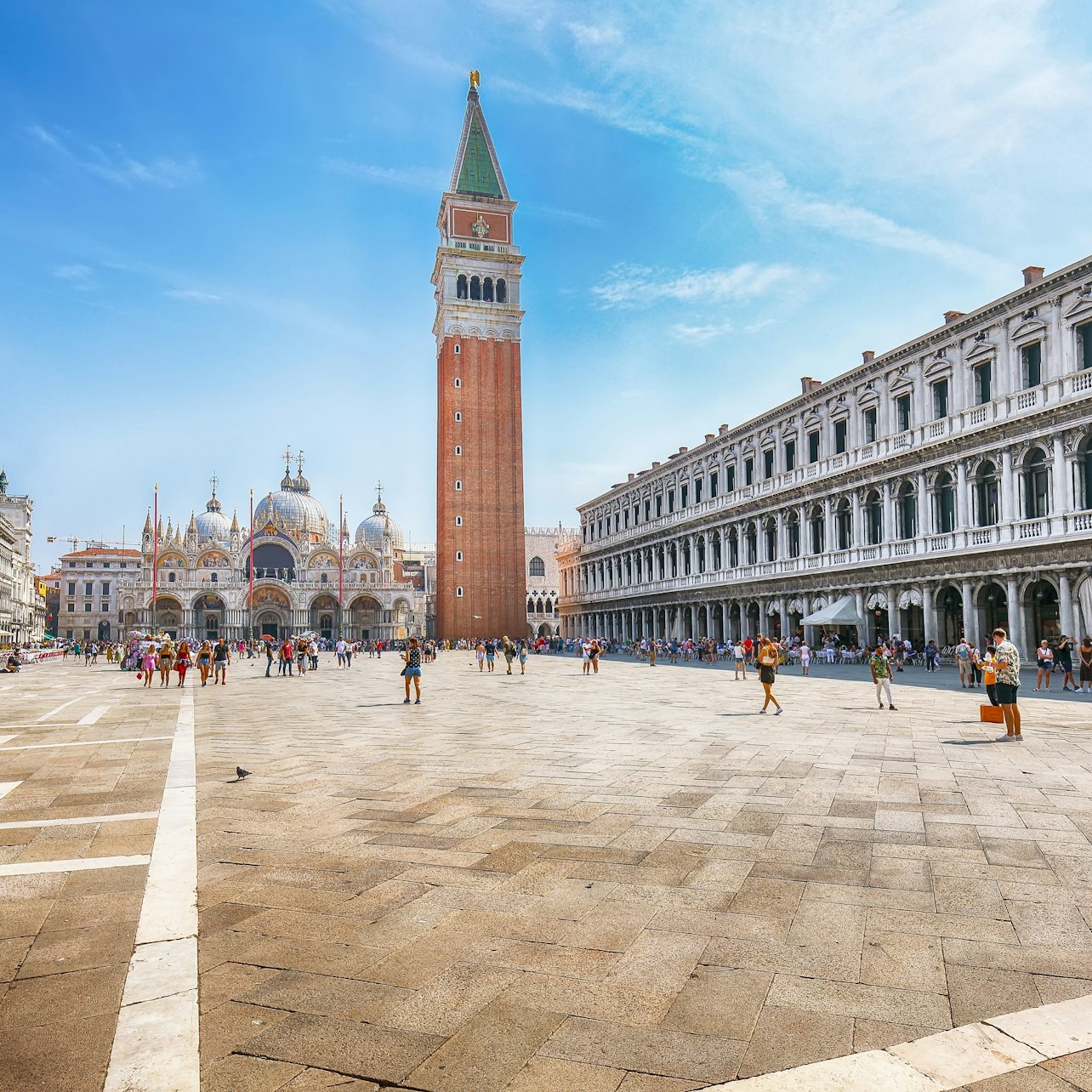
St. Mark’s Basilica is one of Venice’s most visited landmarks, celebrated for its golden mosaics, layered history, and unrivaled location on St. Mark’s Square. Visiting requires some advance planning, from understanding ticket options to knowing what you can and cannot bring inside. This guide explains what makes the basilica unique, what to see once inside, and how to organize your visit efficiently.
A Landmark That Defines Venice
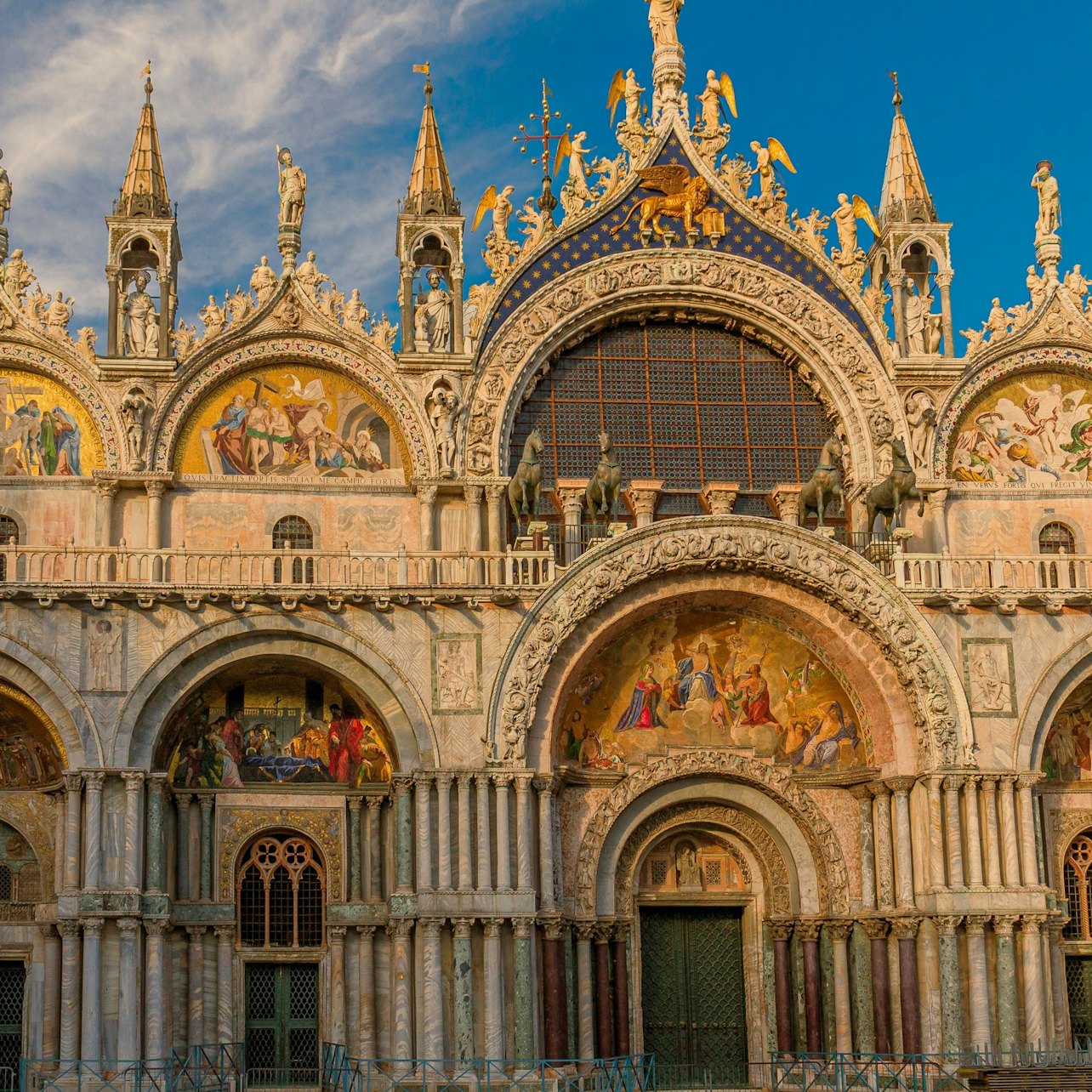
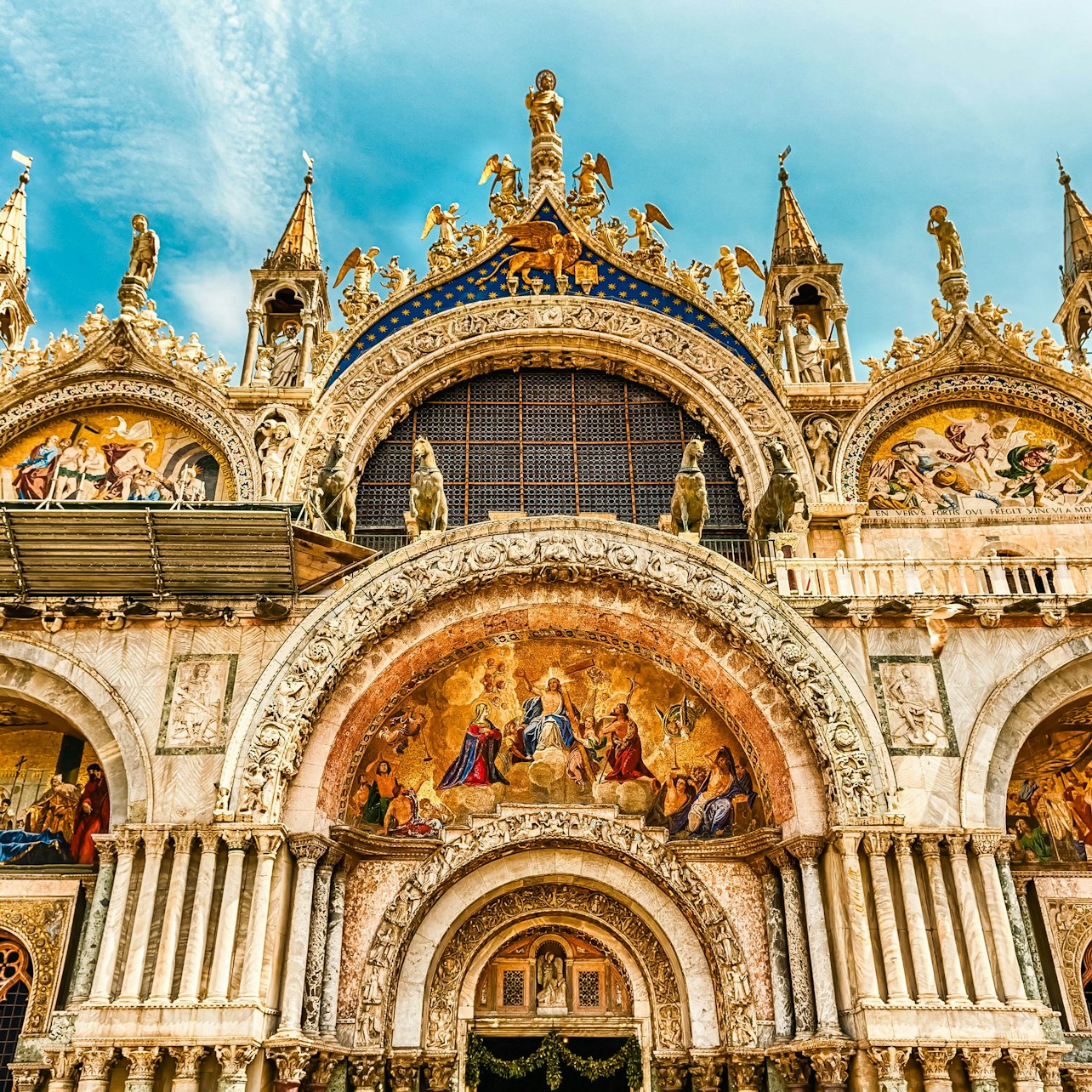
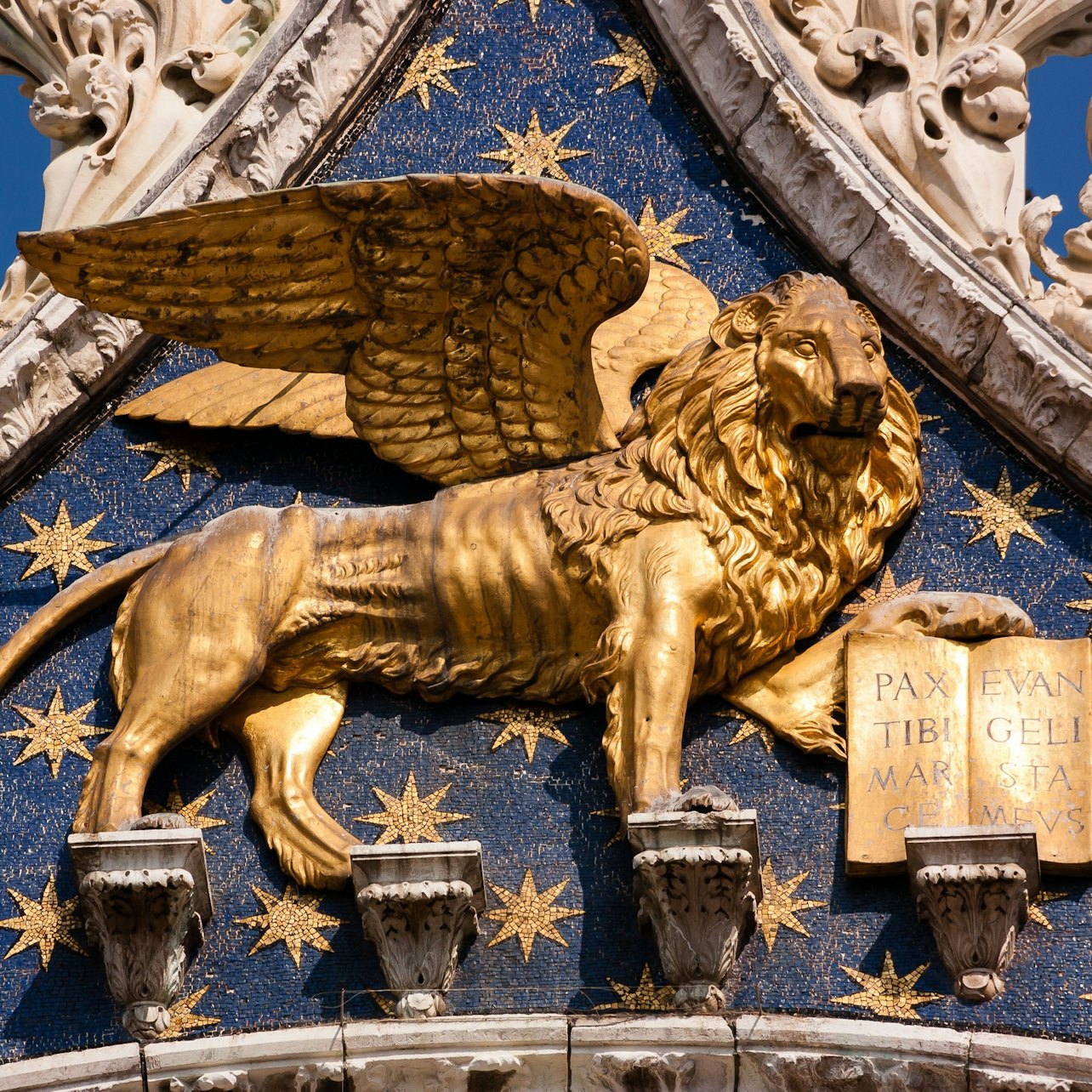
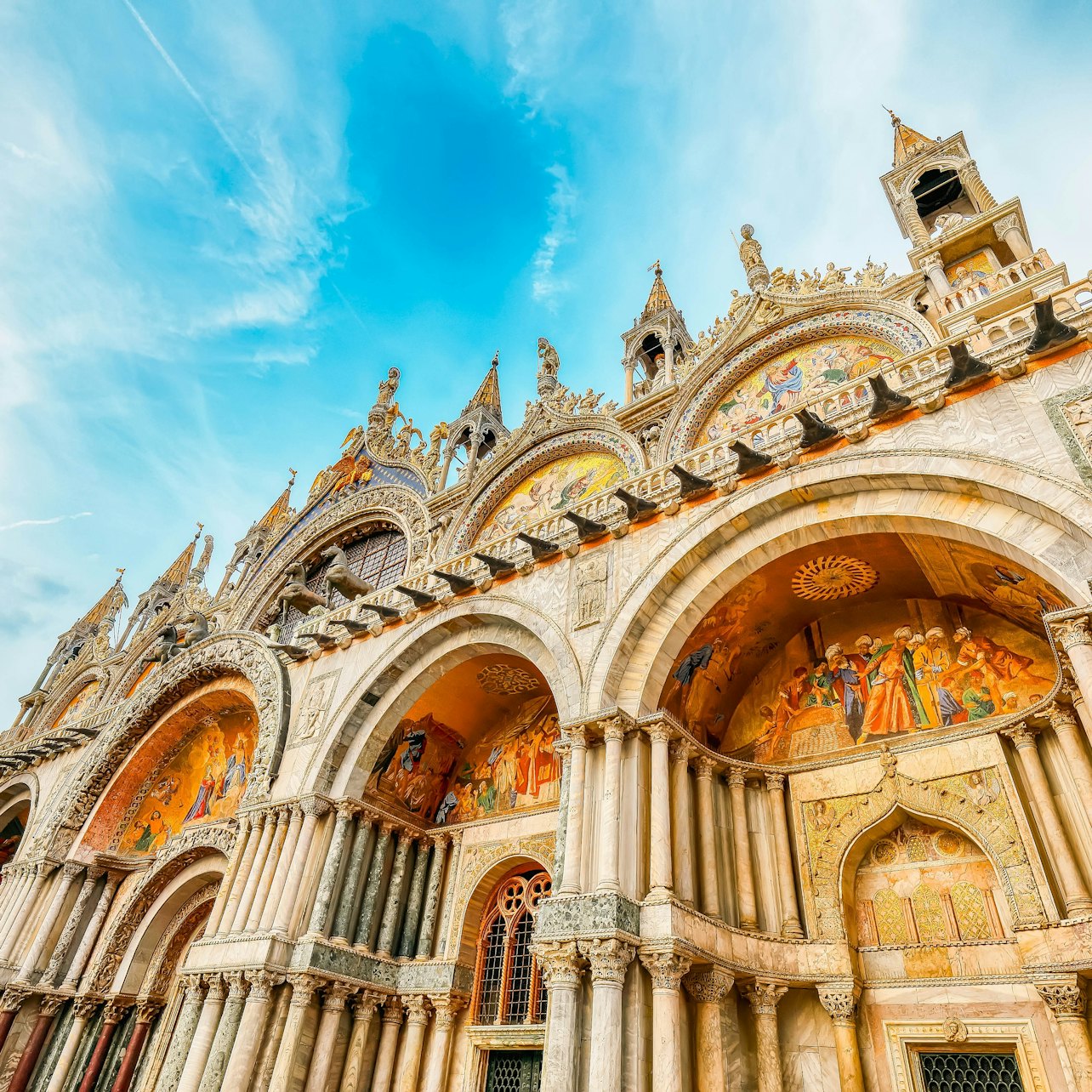
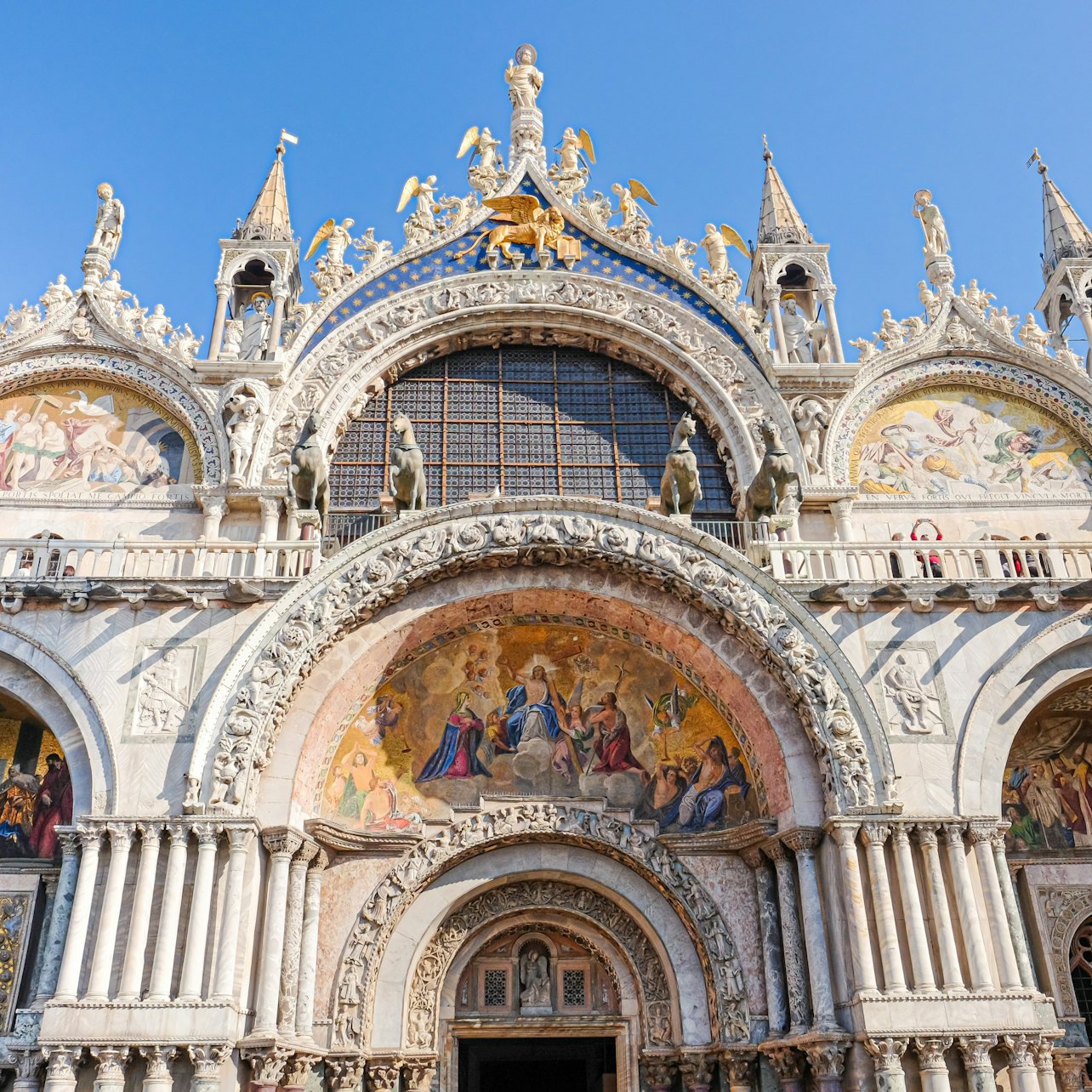
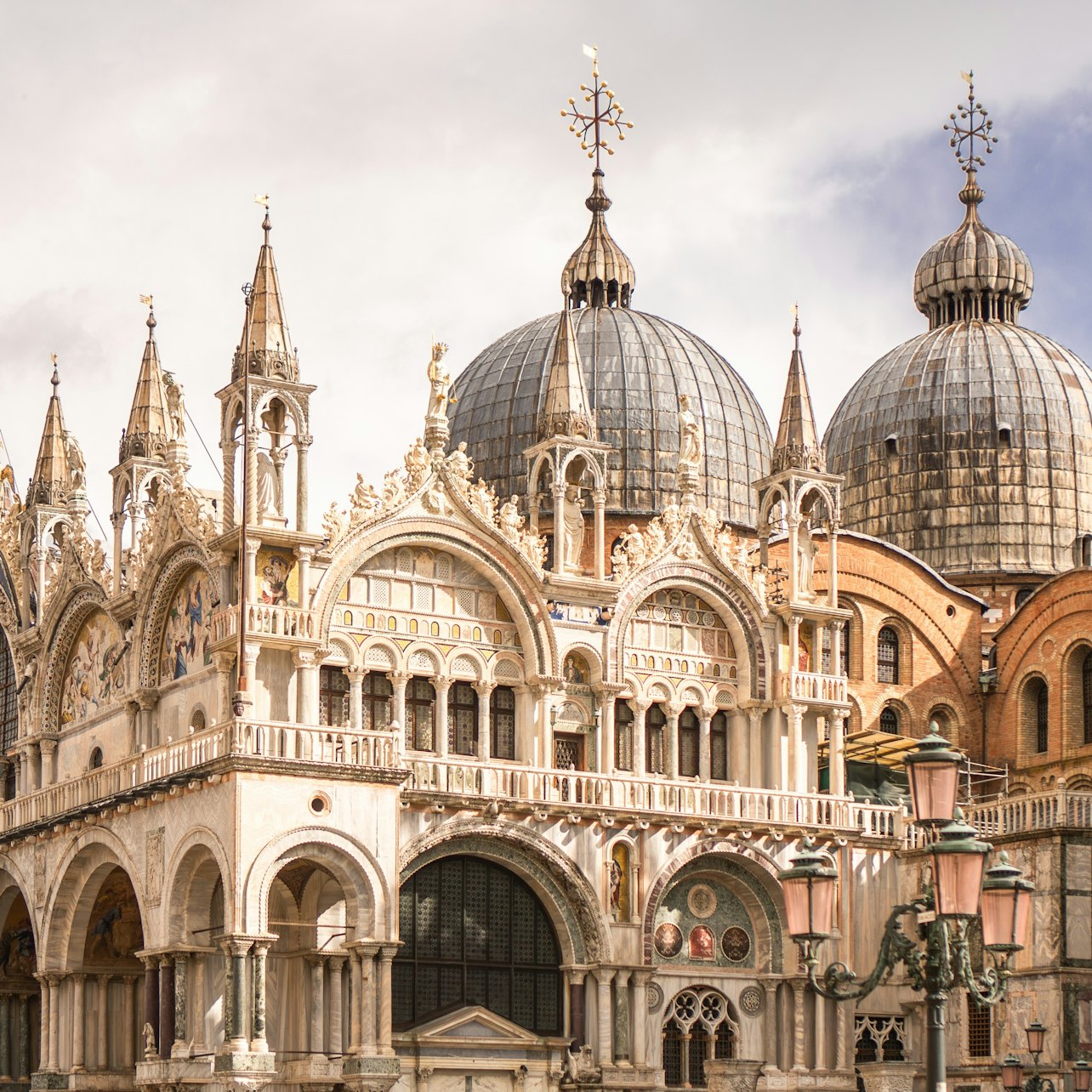
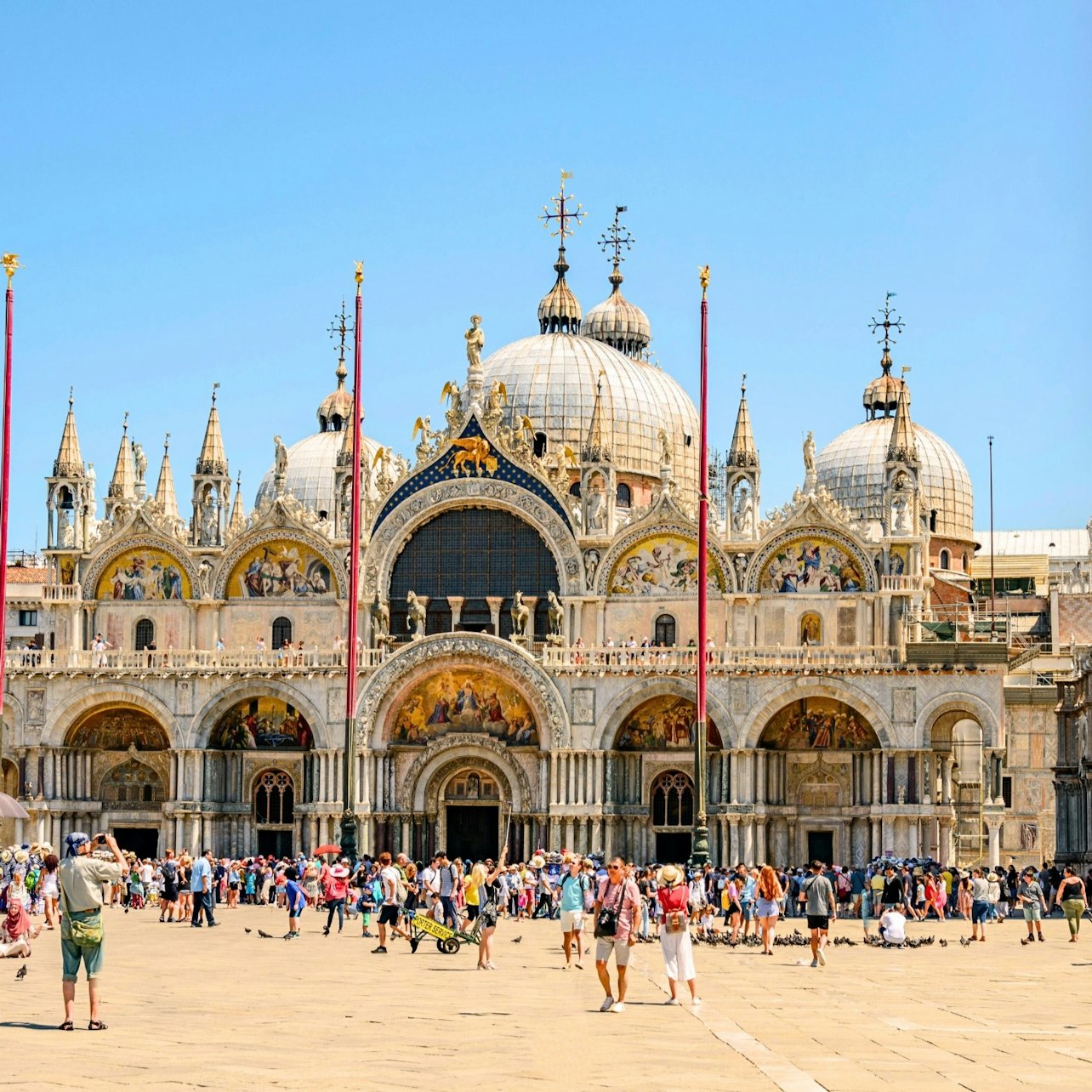
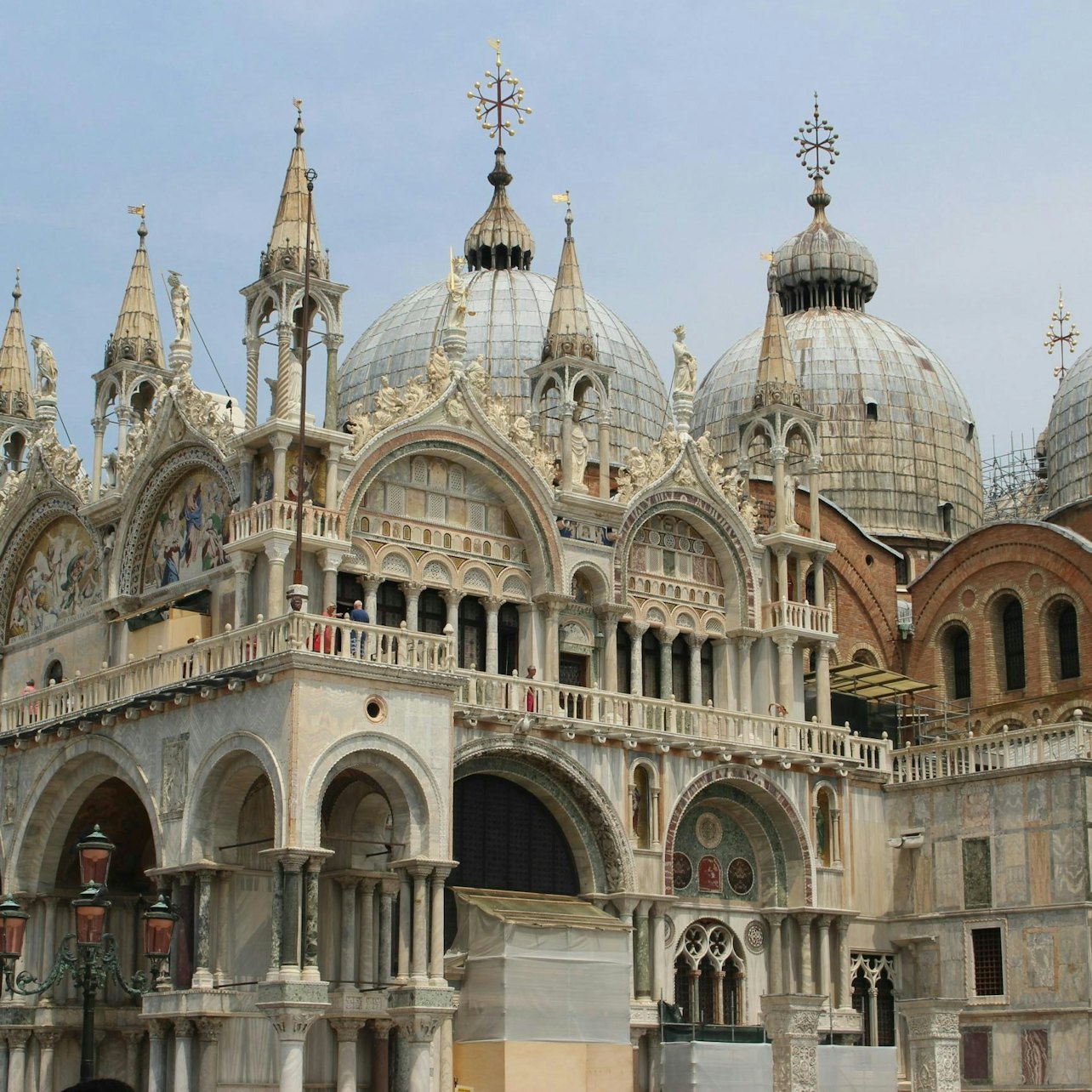
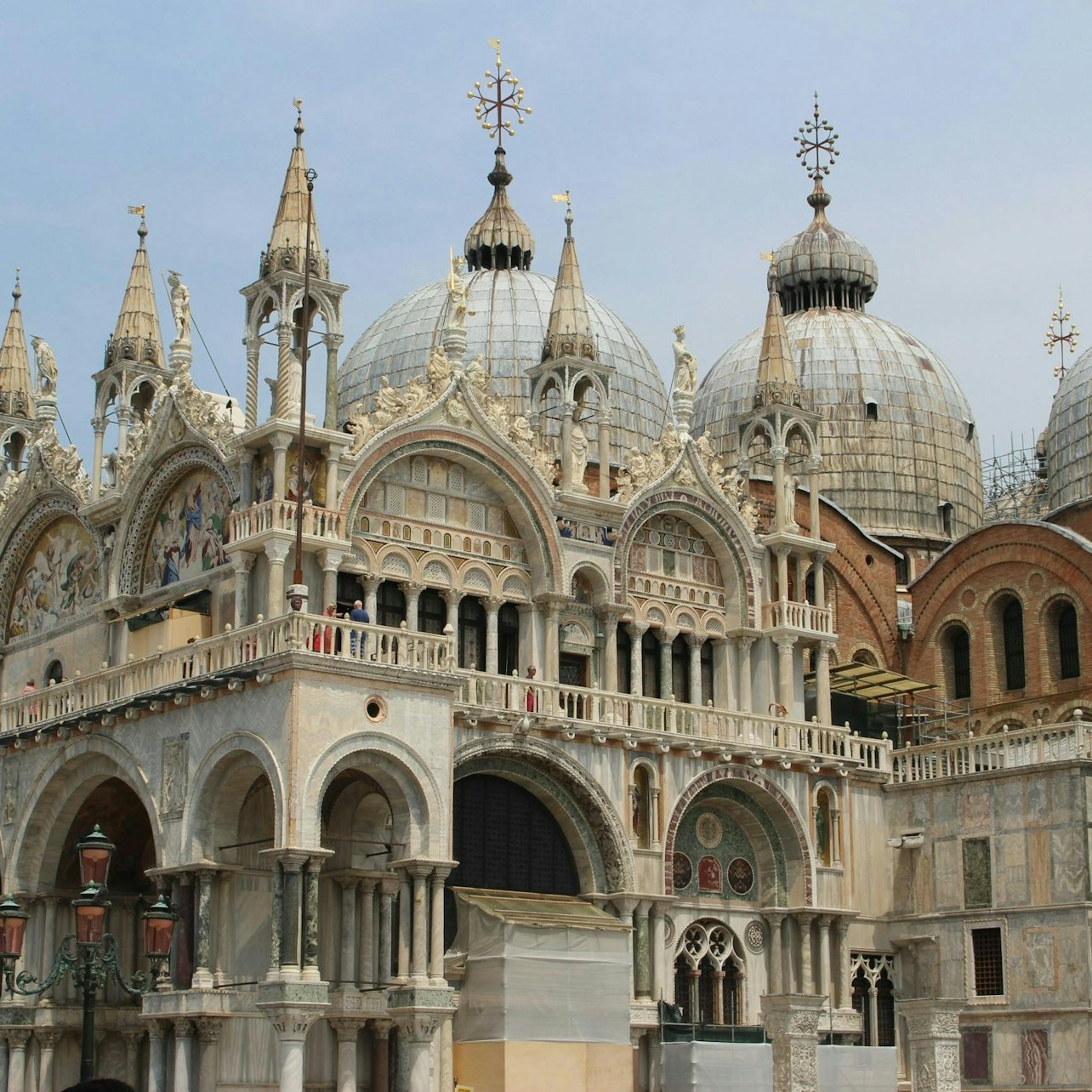
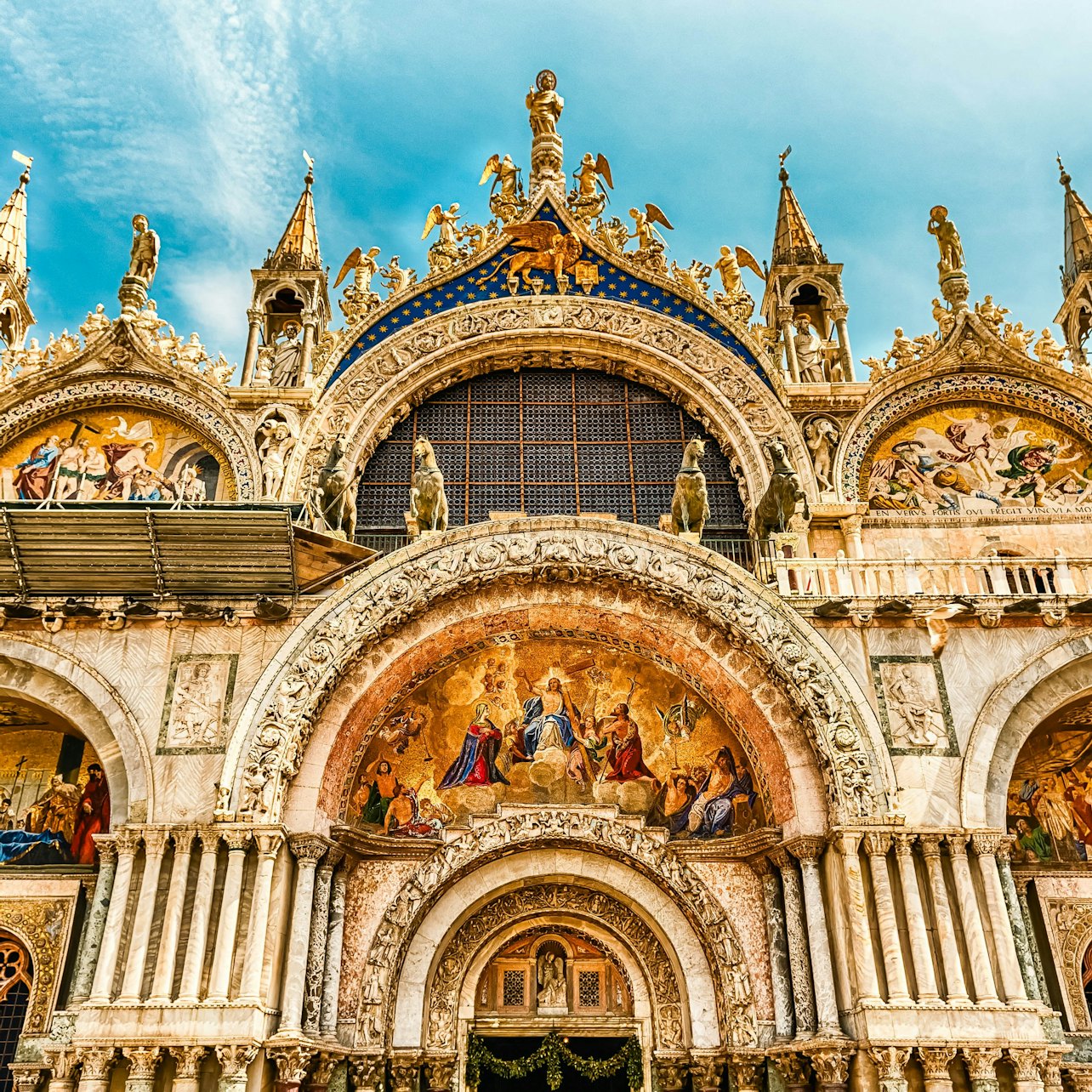
Often called the “Church of Gold,” St. Mark’s Basilica reflects centuries of Venetian wealth, trade, and political power. Originally built in the 9th century to house the relics of St. Mark the Evangelist, the church evolved over time into a showcase of influences from Byzantium and the eastern Mediterranean. Its unusual Greek cross layout, crowned by five domes, sets it apart from other Italian churches and immediately signals that this is not a typical cathedral.
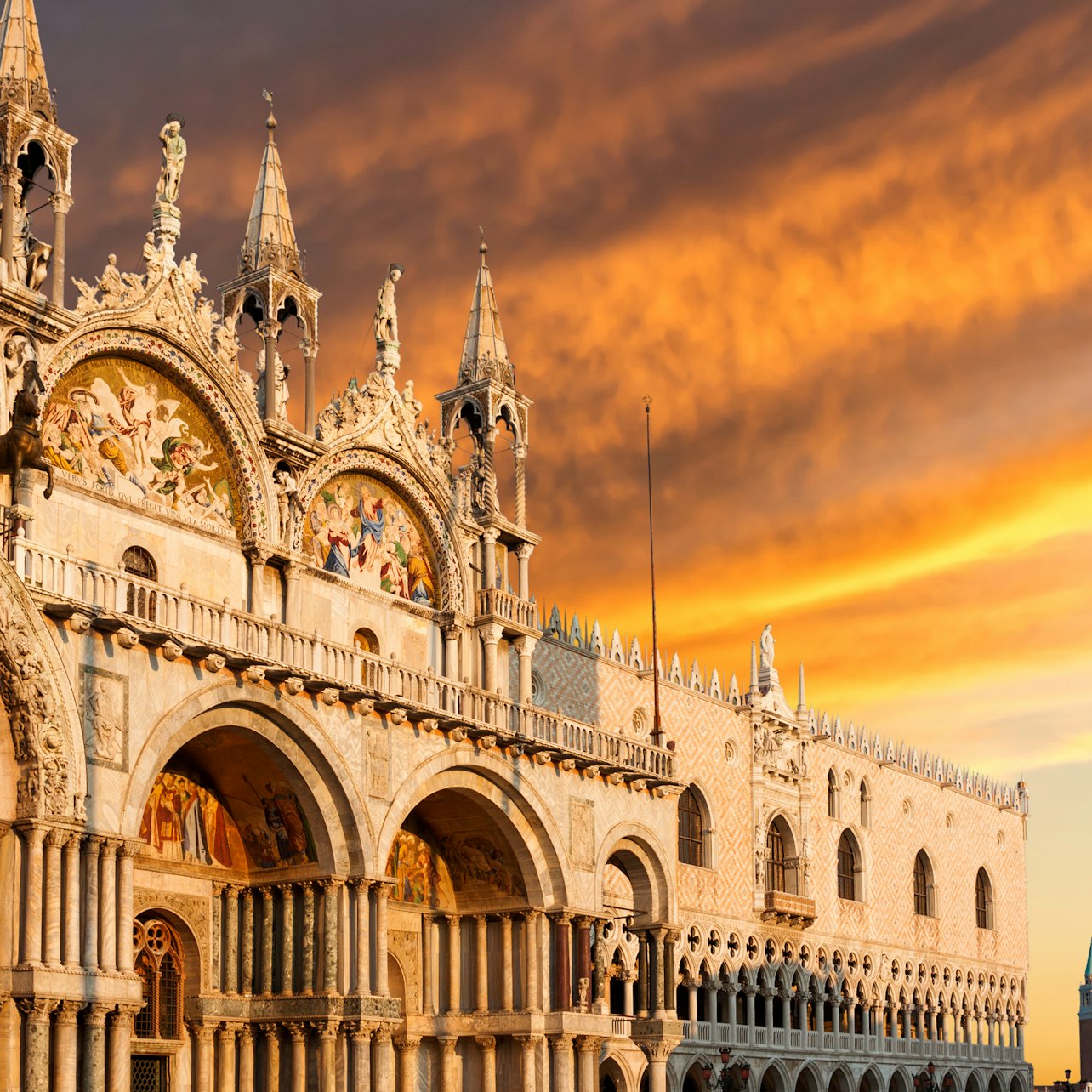
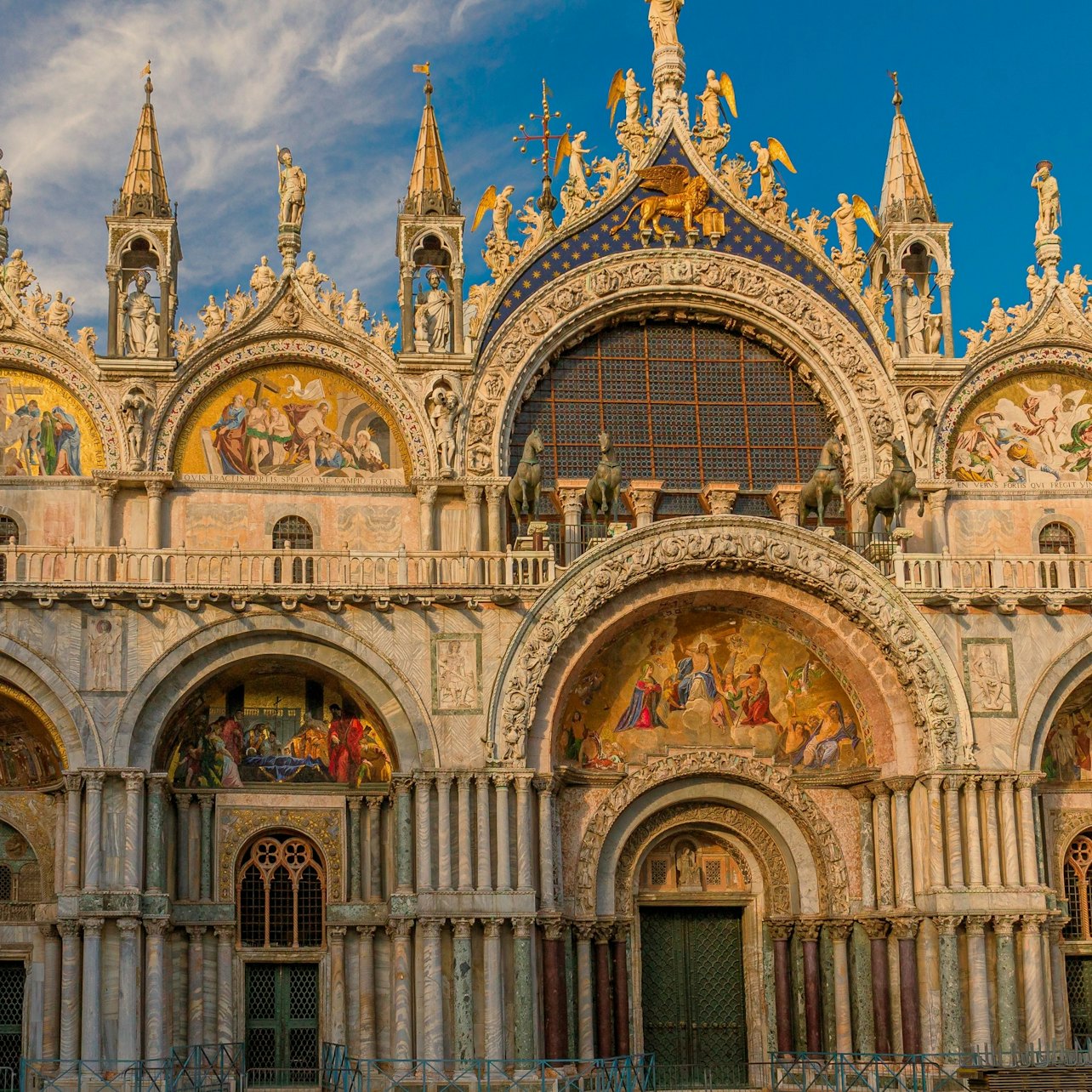
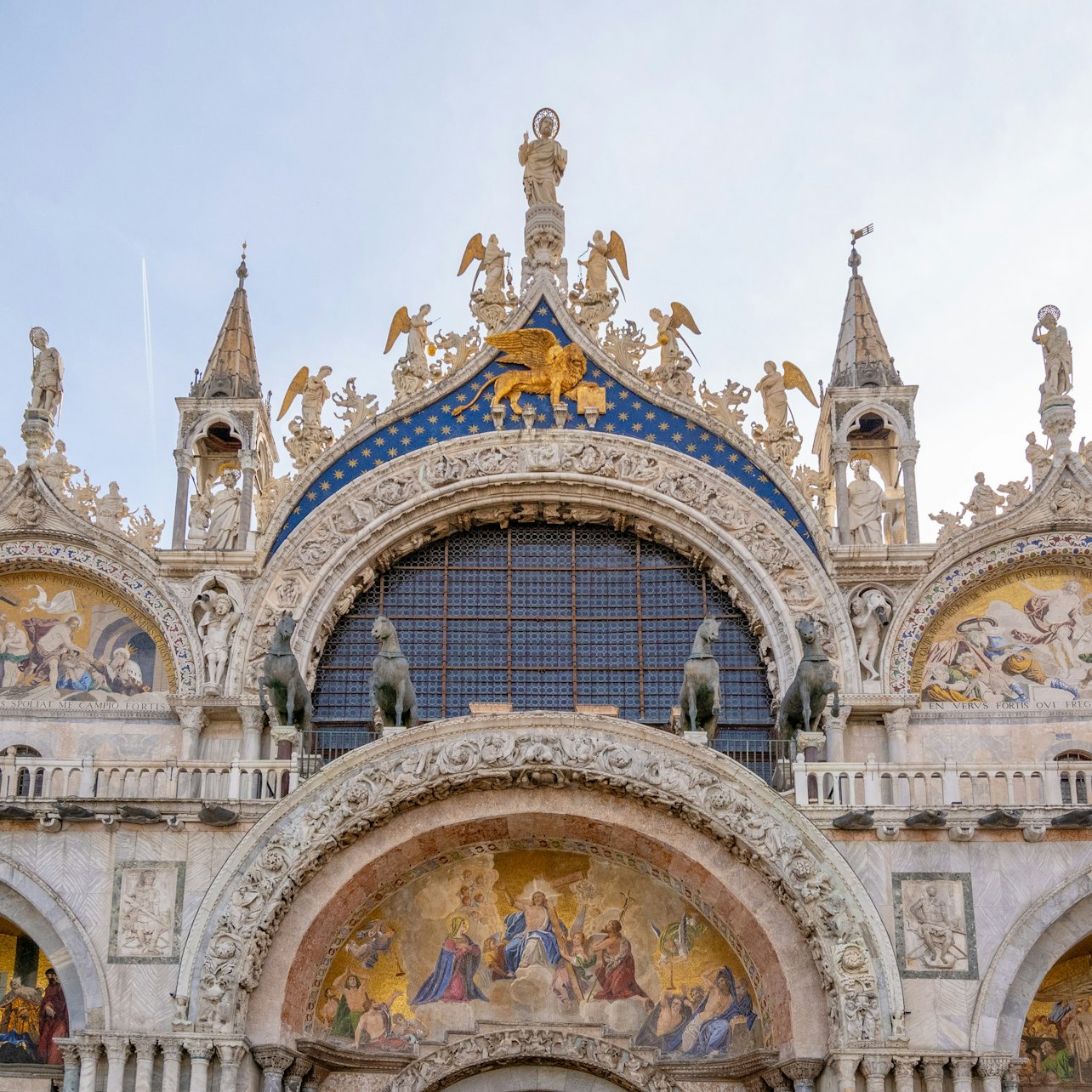
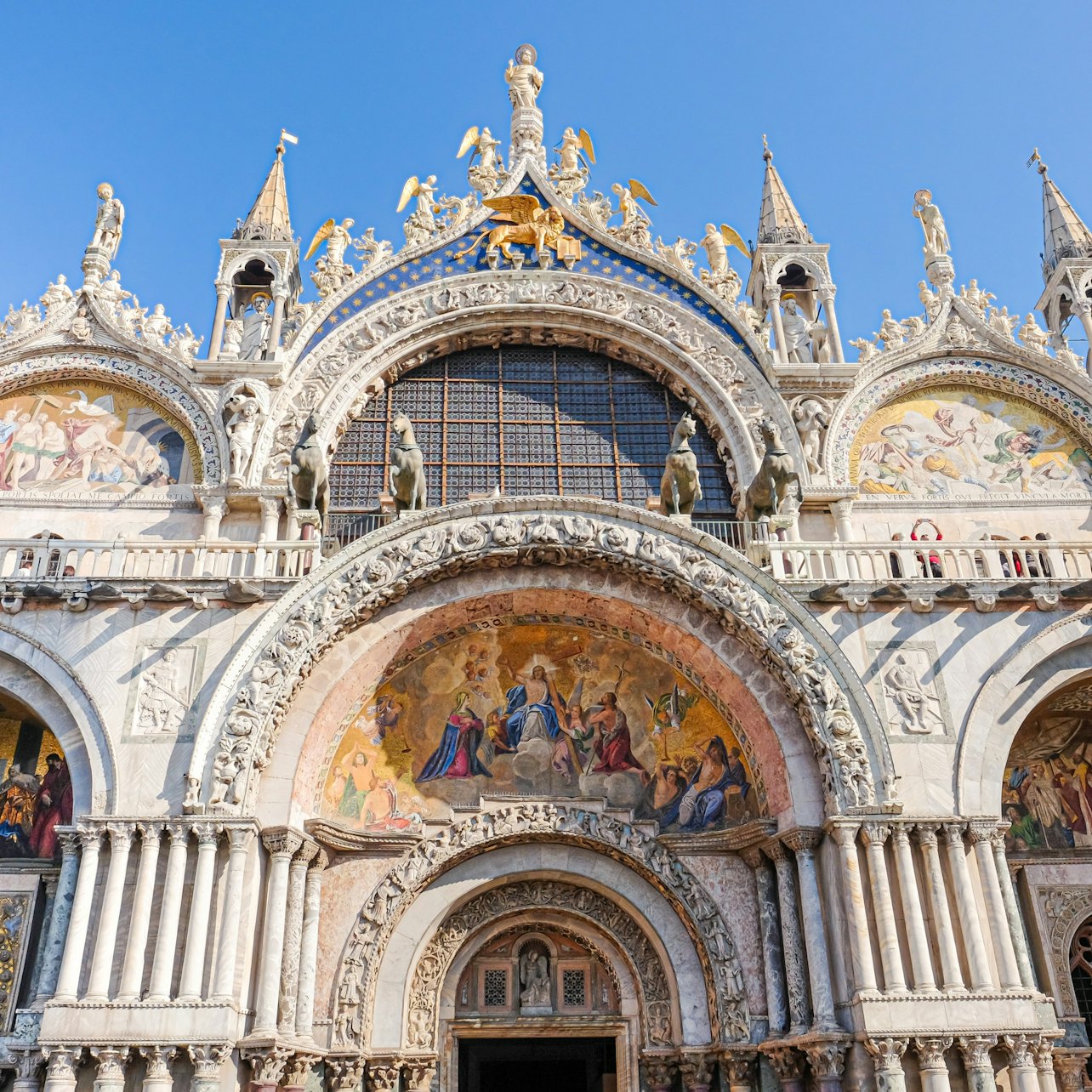
The exterior and interior are decorated with marble columns, reliefs, and sculptures sourced from across the former Venetian Empire. Many were brought back to Venice after military campaigns and trading expeditions, making the basilica a physical record of the city’s reach and ambition.
What Makes the Interior So Remarkable
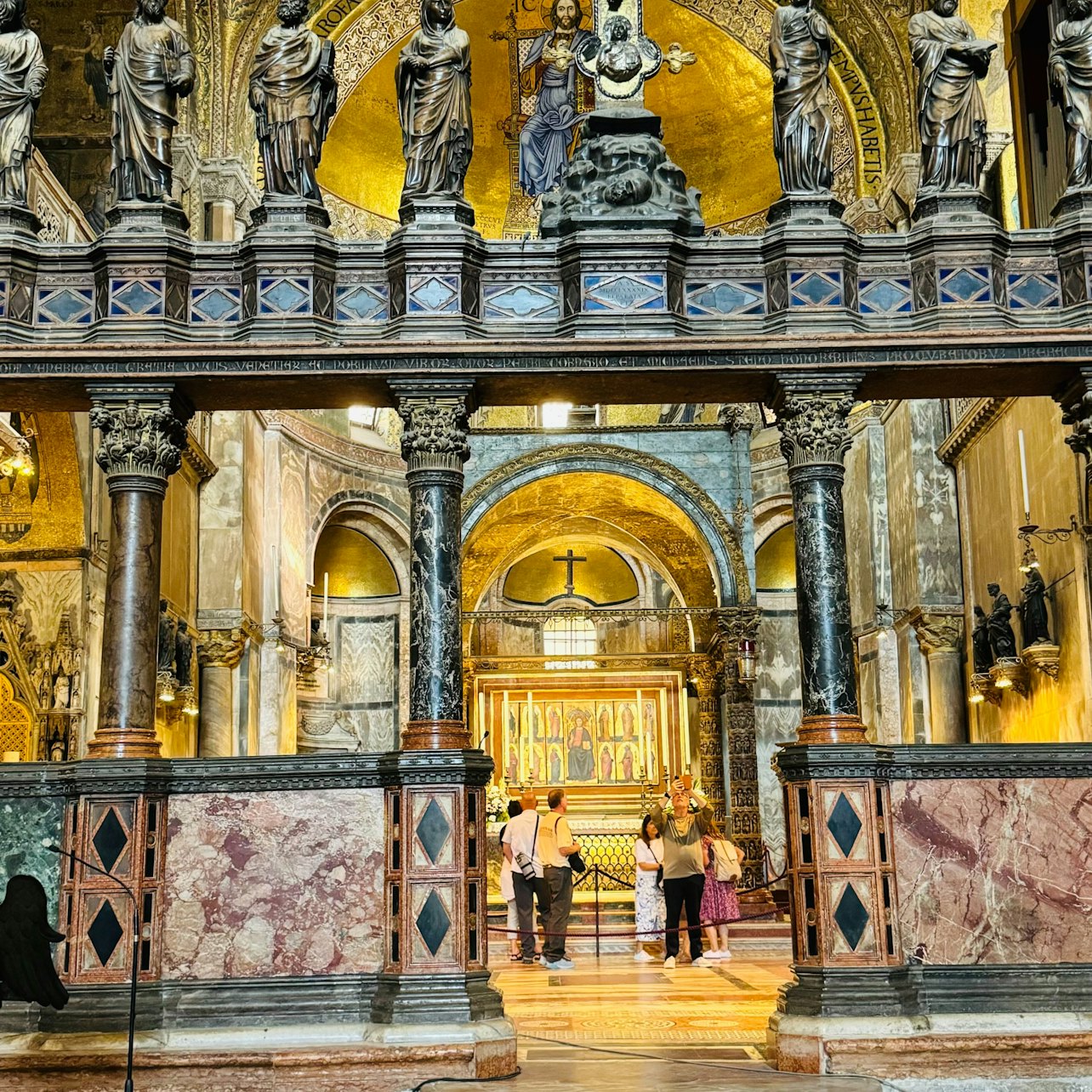
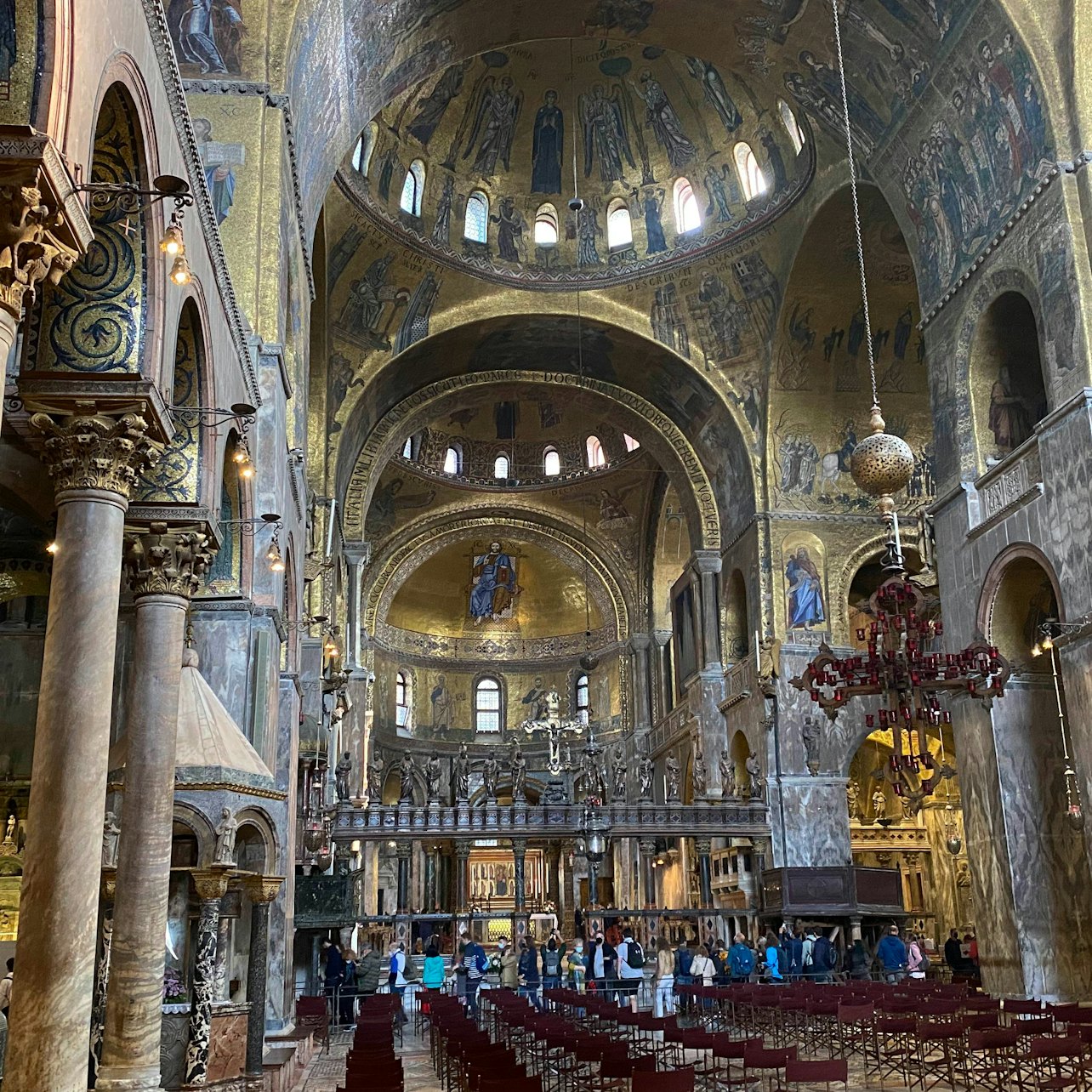
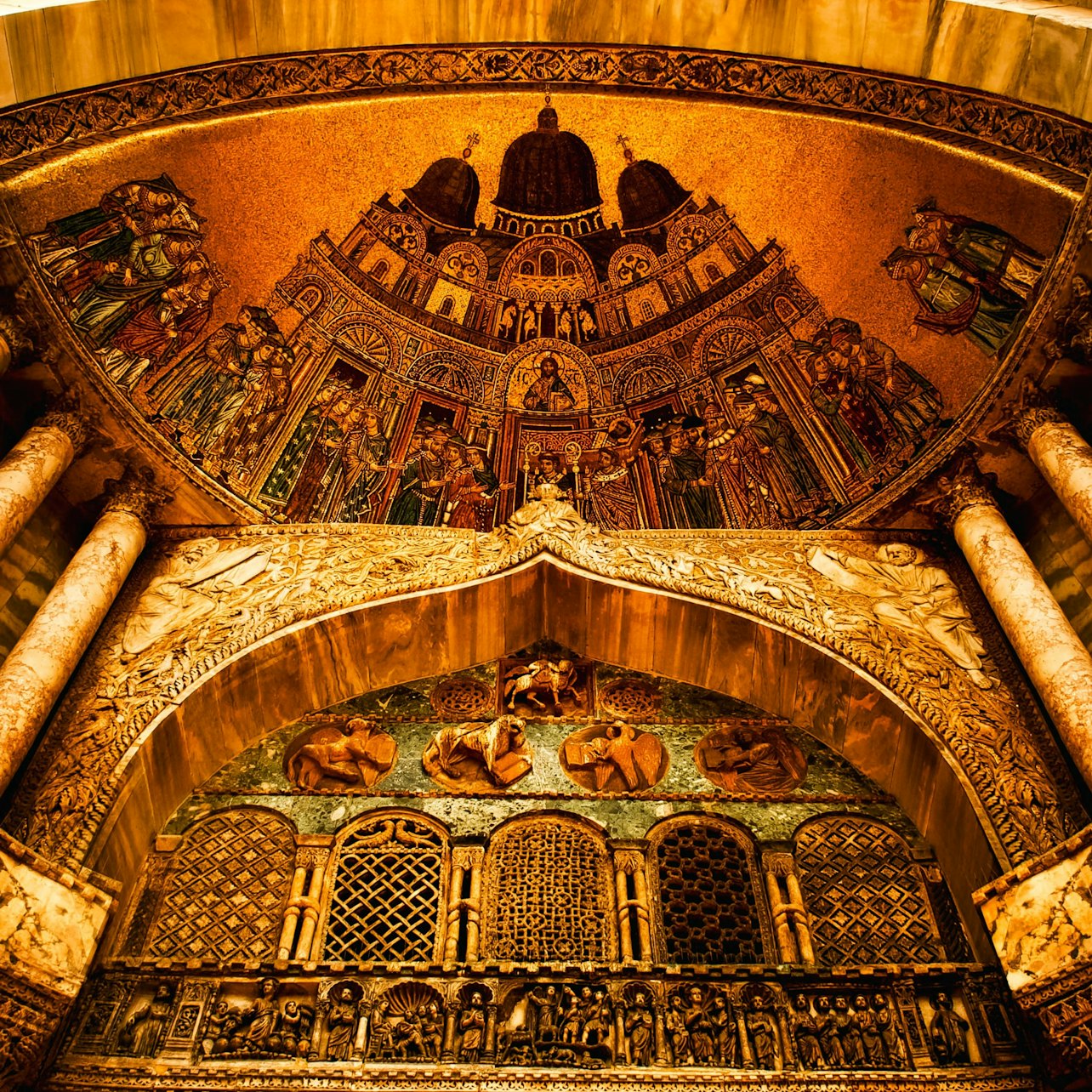
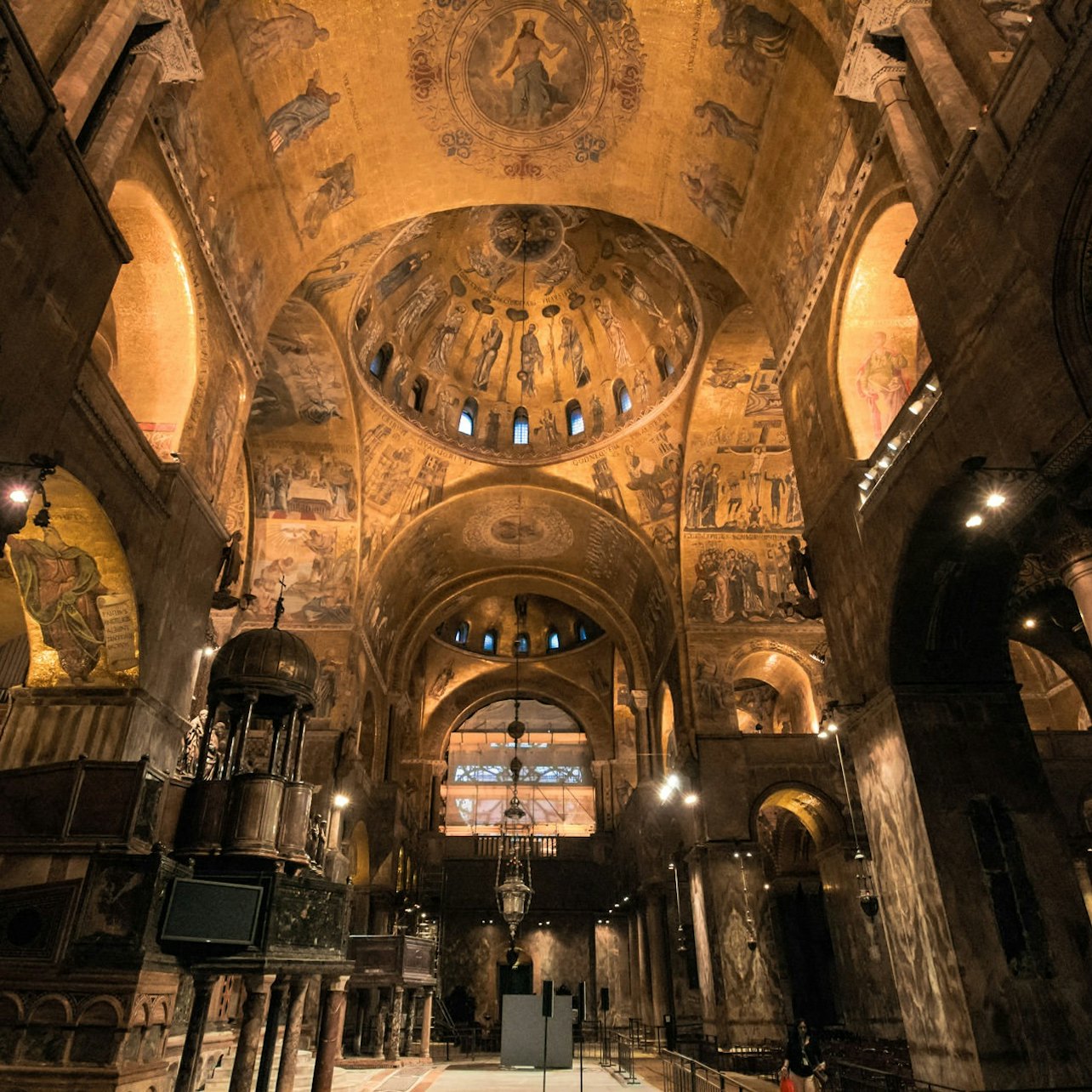
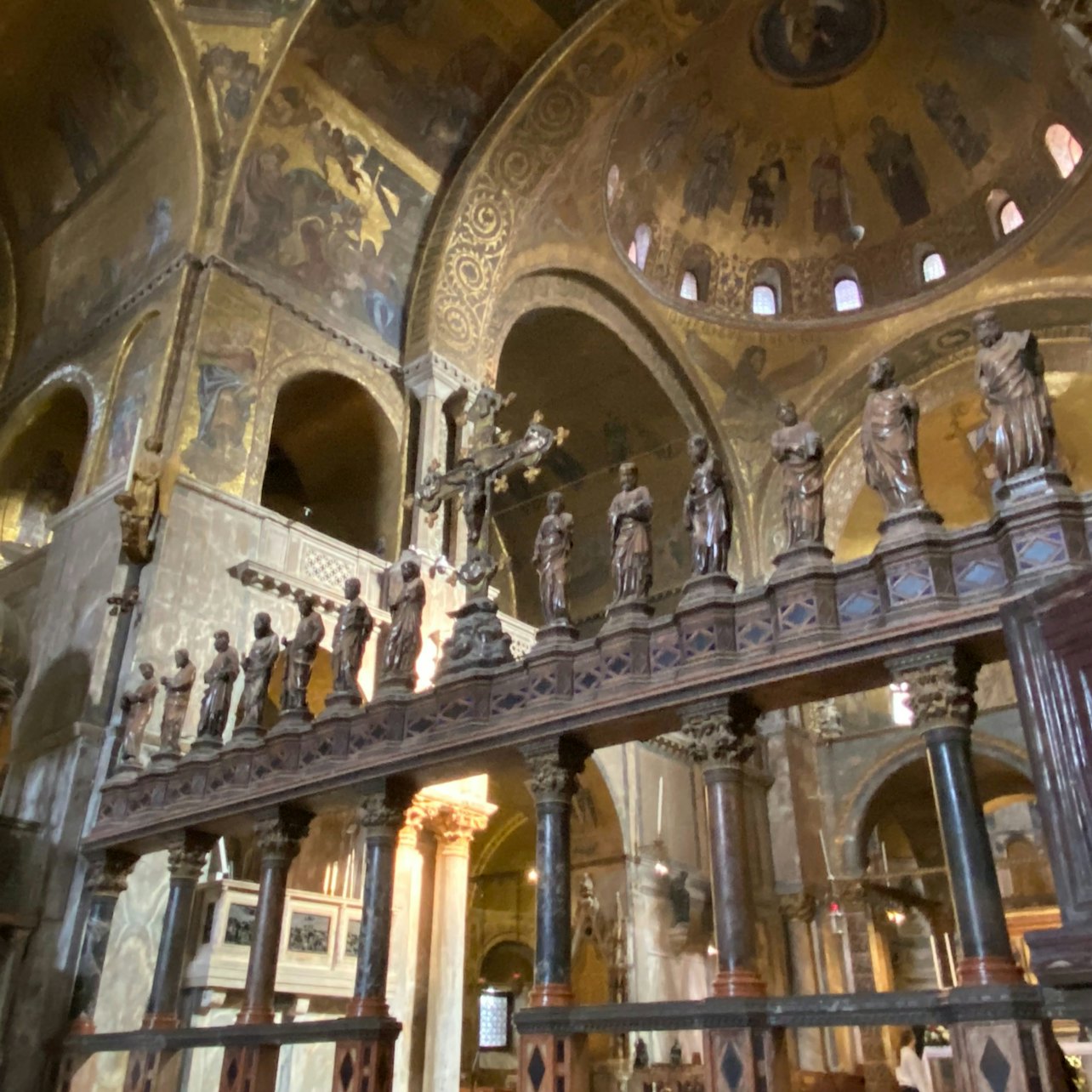
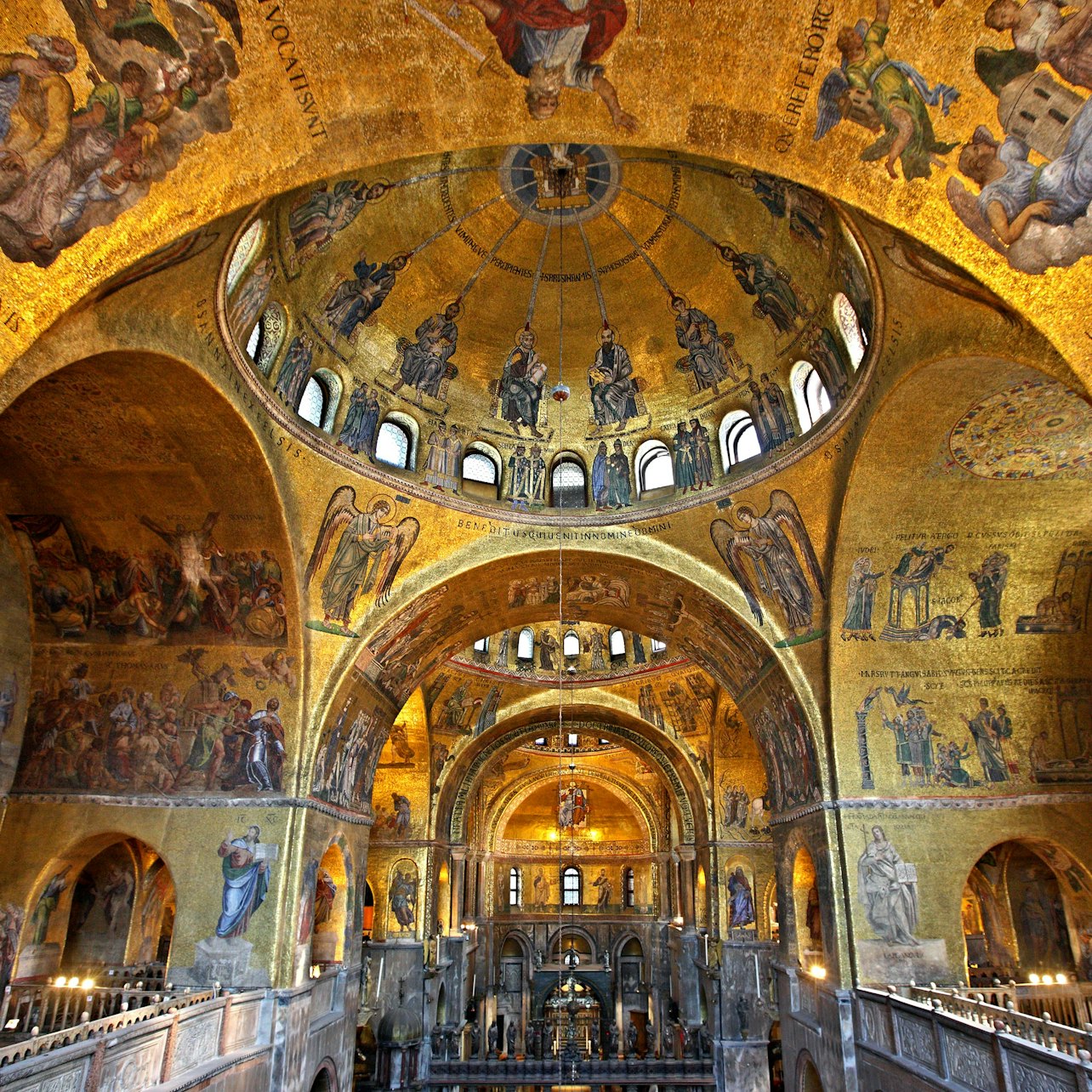
Stepping inside, visitors are surrounded by approximately 85,000 square feet of gold-ground mosaics, created between the 11th and 19th centuries. These mosaics depict scenes from the Old and New Testaments, designed to communicate religious stories visually in an age when most people could not read.
The marble floor deserves equal attention. Its uneven surface, geometric patterns, and animal motifs were intentionally designed to follow the contours of the underlying foundations, adding to the building’s distinctive character.
Key Areas to Prioritize
Several sections require special tickets or additional time and are often the highlights of a visit:
- The Pala d’Oro: Positioned behind the main altar, this richly decorated altar screen is covered with gold, enamel panels, and thousands of gemstones. It is widely regarded as one of the finest surviving examples of Byzantine goldsmithing.
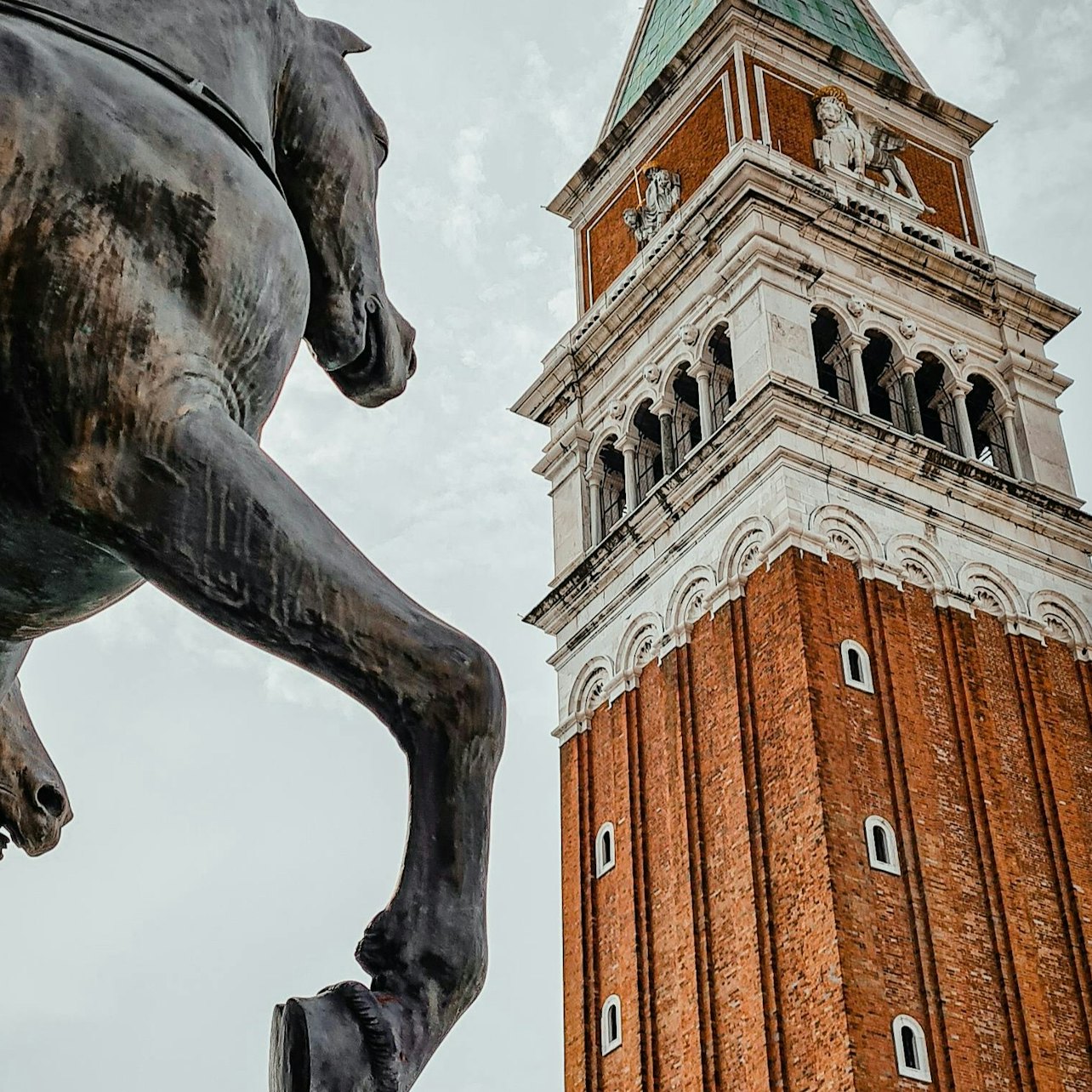
- St. Mark’s Museum and the Bronze Horses: Located on the upper level, the museum houses the original bronze horses taken from Constantinople in 1204. The statues visible on the façade today are replicas; the originals are preserved indoors.
- Loggia dei Cavalli: Accessed through the museum, this terrace overlooks St. Mark’s Square and offers one of the most iconic views in Venice.
Practical Visitor Information
Planning ahead is essential, especially during peak travel seasons.
- Tickets: Entry to the basilica requires a ticket, and time-slot reservations are strongly recommended to avoid long lines. Access to areas such as the Pala d’Oro and the museum requires separate tickets.
- Dress Code: Shoulders and knees must be covered. Visitors who do not meet the requirements may be denied entry.
- Bags: Large bags and backpacks are not allowed inside. A luggage deposit is available at Ateneo San Basso, a short walk from the basilica.
- Photography: Photography and video recording are not permitted inside.
- Visit Duration: Allow 20–30 minutes for the main church, or up to an hour if including the museum and treasury.
When to Visit
Midday is ideal for seeing the mosaics at their brightest, when interior lighting enhances the gold surfaces. Early morning and late afternoon tend to be less crowded, especially with advance tickets.
Plan Your Visit in Advance
St. Mark’s Basilica is a must-see, but it rewards visitors who plan ahead. Reserve your tickets in advance to secure your preferred entry time and make the most of your visit to Venice’s most iconic church.
Ongoing Exhibitions
There are currently no ongoing exhibitions
See all ongoing local exhibitions in Venice
Tickets for St. Mark's Basilica
Nearby
- Doge's Palace → 109 meters