Prado Museum
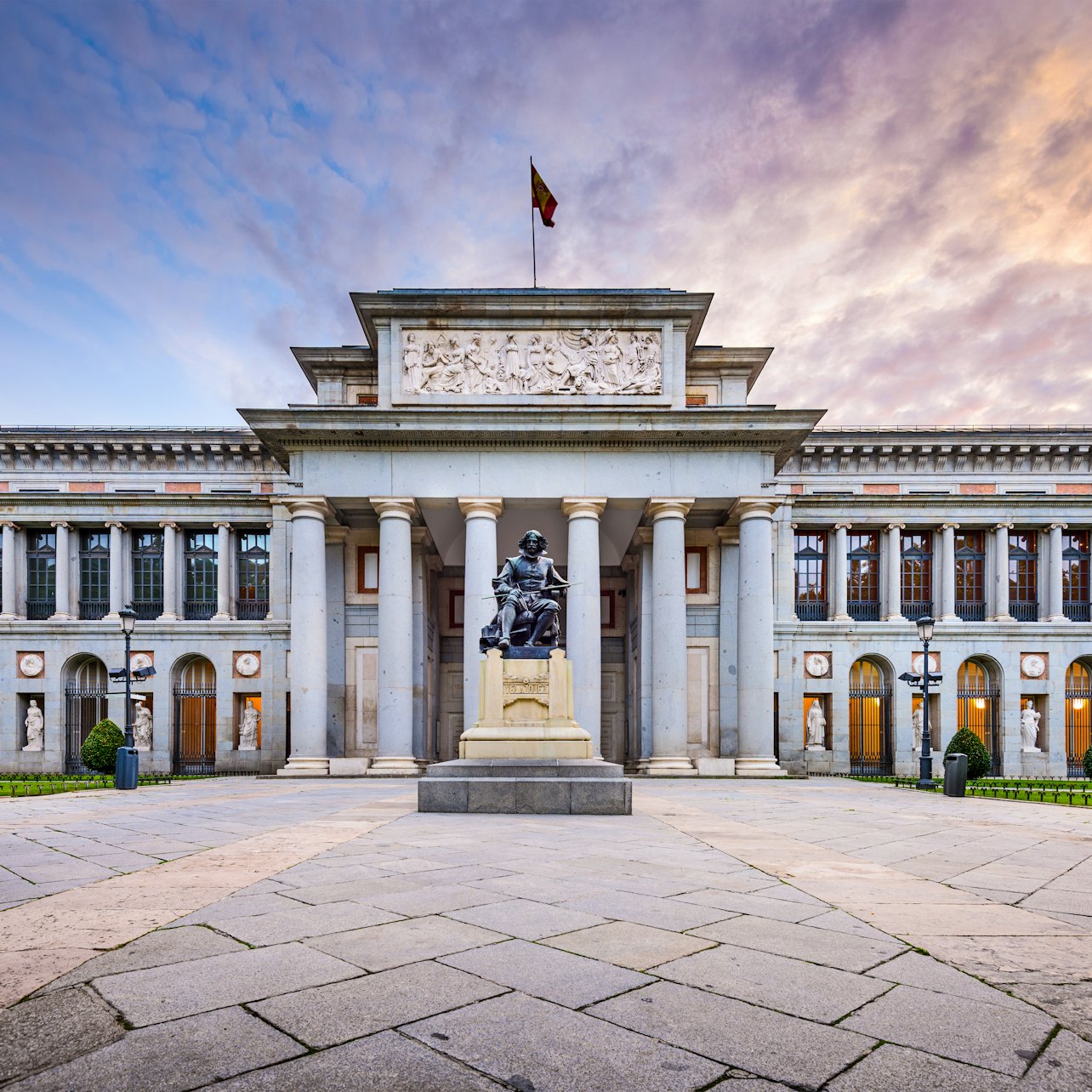
The Prado Museum is Madrid’s most important cultural attraction and a must-visit for anyone interested in European art. Home to an unmatched collection of Spanish masterpieces alongside key works from Italy and Northern Europe, the museum offers a clear, compelling journey through centuries of painting shaped by royal taste, power, and belief. Visiting the Prado is not about seeing everything, but about experiencing a carefully curated concentration of world-class art in one of Madrid’s most elegant historic buildings.
The Heart of Spanish Identity
The Prado’s reputation rests largely on its extraordinary collection of Spanish painting, unrivaled anywhere else in the world. Rather than spreading itself across many movements, the museum offers deep, focused insight into the artists who defined Spain’s artistic voice.
-
Velázquez and the Royal Court: The Prado holds the majority of Diego Velázquez’s surviving works. Standing before Las Meninas is a highlight of any visit, admired for its radical use of perspective, light, and the artist’s own presence within the scene.
-
Goya’s Evolution: No other museum allows you to follow Francisco Goya’s career so completely. You can trace his path from court painter producing lively tapestry cartoons to the deeply unsettling Black Paintings, later transferred from the walls of his home to canvas and now displayed as some of the most powerful works in European art.
Beyond the Spanish Masters
The Prado is not a general “world museum” but a reflection of centuries of royal collecting. Spanish monarchs favored artists from Italy and the Low Countries, creating a collection that feels both cohesive and exceptional.
-
Flemish Painting: The museum houses the world’s largest collection of works by Hieronymus Bosch. The Garden of Earthly Delights is its most famous triptych, drawing visitors with its dense symbolism and imaginative, almost dreamlike imagery.
-
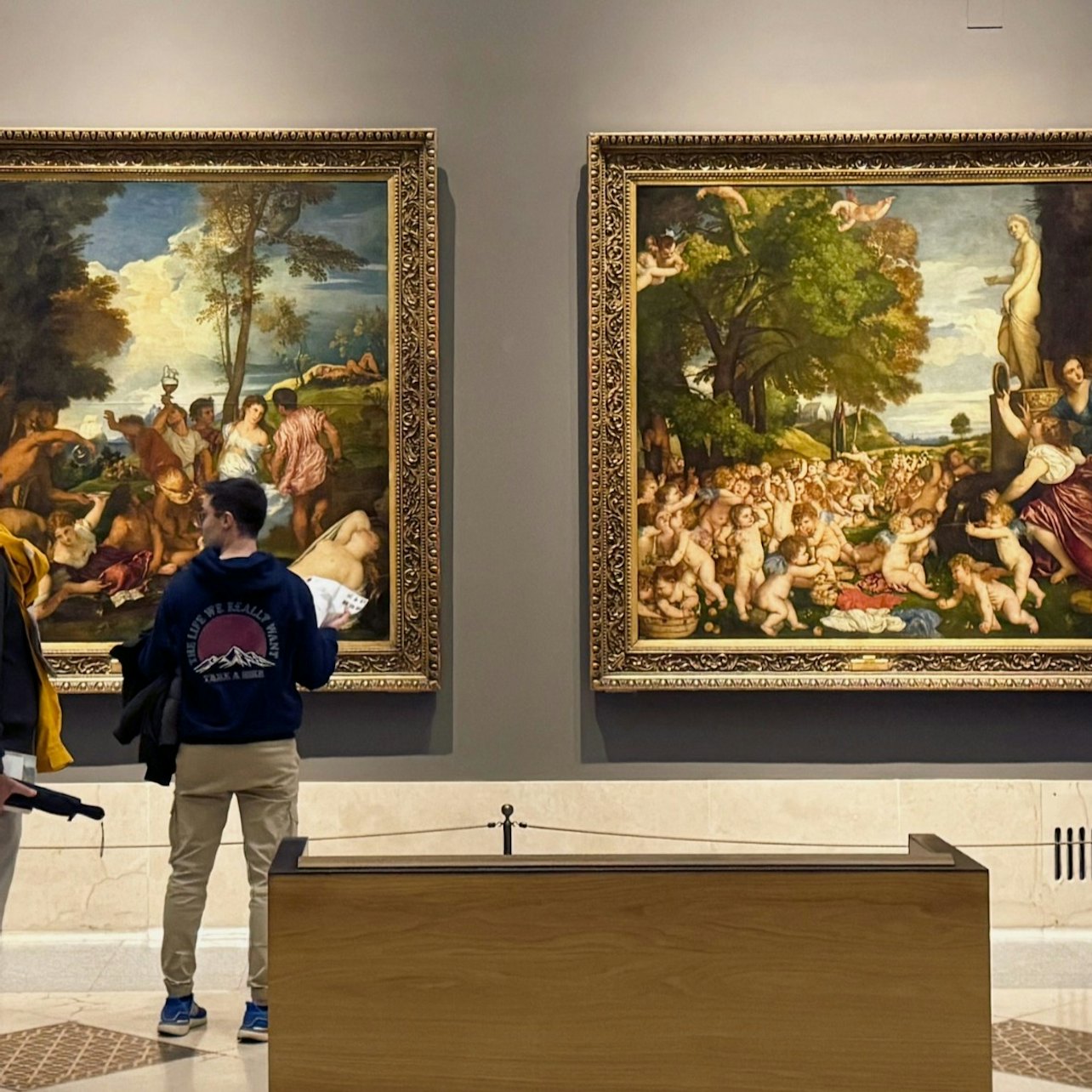
Italian Renaissance Influence: Works by Titian, Raphael, Tintoretto, and Fra Angelico reveal the strong artistic connections between Spain and Italy. Titian, in particular, became a favorite of the Spanish court, and the Prado’s holdings of his portraits and mythological scenes are among the finest anywhere.
Practical Information for Your Visit
With thousands of works on display, planning ahead will significantly improve your experience.
-
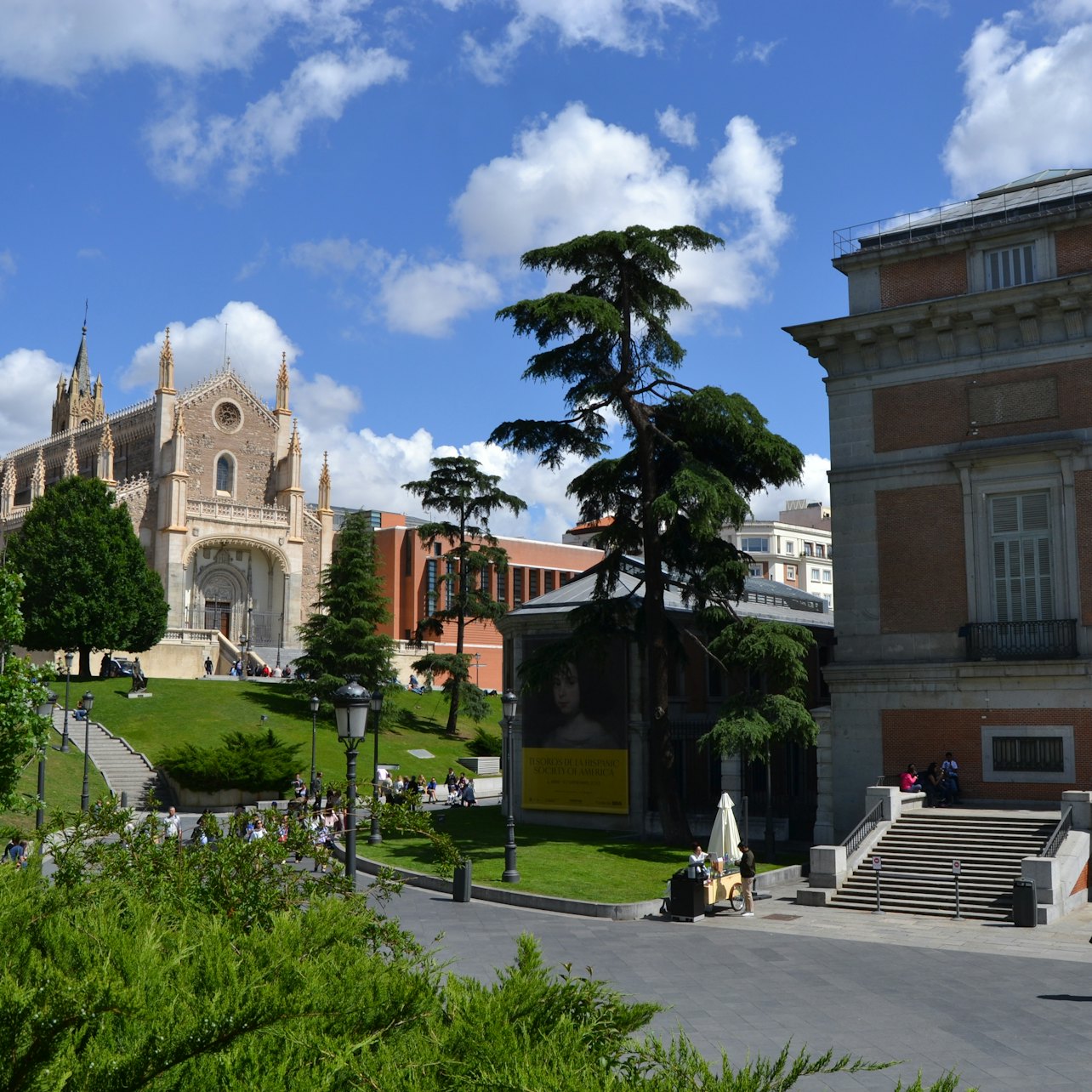
Location: The museum sits on the Paseo del Prado, part of Madrid’s UNESCO-listed Landscape of Light, and is easily reached via Banco de España or Atocha metro stations.
-
Best Time to Visit: Mid-mornings and free entry hours are the busiest. Visiting between 2:00 PM and 4:00 PM often means lighter crowds and a calmer atmosphere.
-
Free Entry Times: Admission to the permanent collection is free Monday to Saturday from 6:00 PM to 8:00 PM, and Sundays and public holidays from 5:00 PM to 7:00 PM. Lines during these periods can be long.
-
Tickets: Entry tickets are timed. Booking in advance is strongly recommended, especially during weekends and peak travel seasons.
Making the Most of Your Time
Trying to cover the entire museum in one visit can be exhausting. Instead, focus on one school, one artist, or a short highlights route. Free floor plans available inside the museum mark the most important works and help you plan a realistic itinerary.
Secure your tickets in advance and give yourself the time to experience the Prado properly—it is one of Madrid’s most rewarding cultural experiences and deserves more than a rushed visit.
Ongoing Exhibitions
There are currently no ongoing exhibitions
See all ongoing local exhibitions in Madrid
Tickets for Prado Museum





Nearby
- National Music Auditorium → 940 meters
- Torres de Colón → 940 meters
- Santiago Bernabéu Stadium → 4.3 kilometer