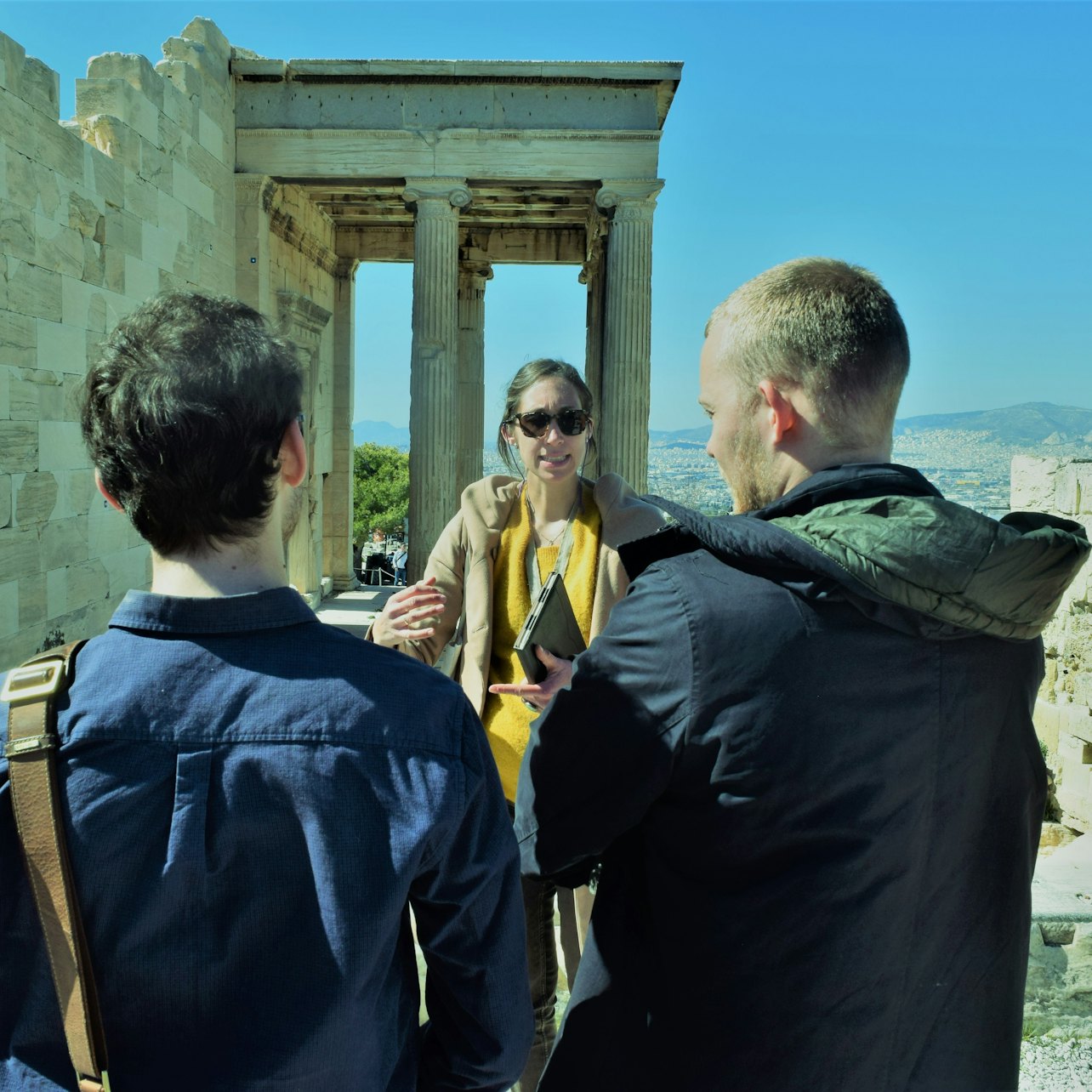
Acropolis of Athens
Visiting the Acropolis of Athens is the centerpiece of most trips to the city, combining world-class archaeology with sweeping views and essential context for understanding ancient Greece. This guide explains what makes the Acropolis unique, what you will see on the summit, how to plan your visit efficiently, and how tickets work, so you can decide when and how to go with confidence.
The Architectural Core of the Citadel
The Acropolis is a fortified hilltop sanctuary rather than a single monument. Most of the structures visible today were built in the 5th century BCE, during Athens’ Golden Age, under the leadership of Pericles.
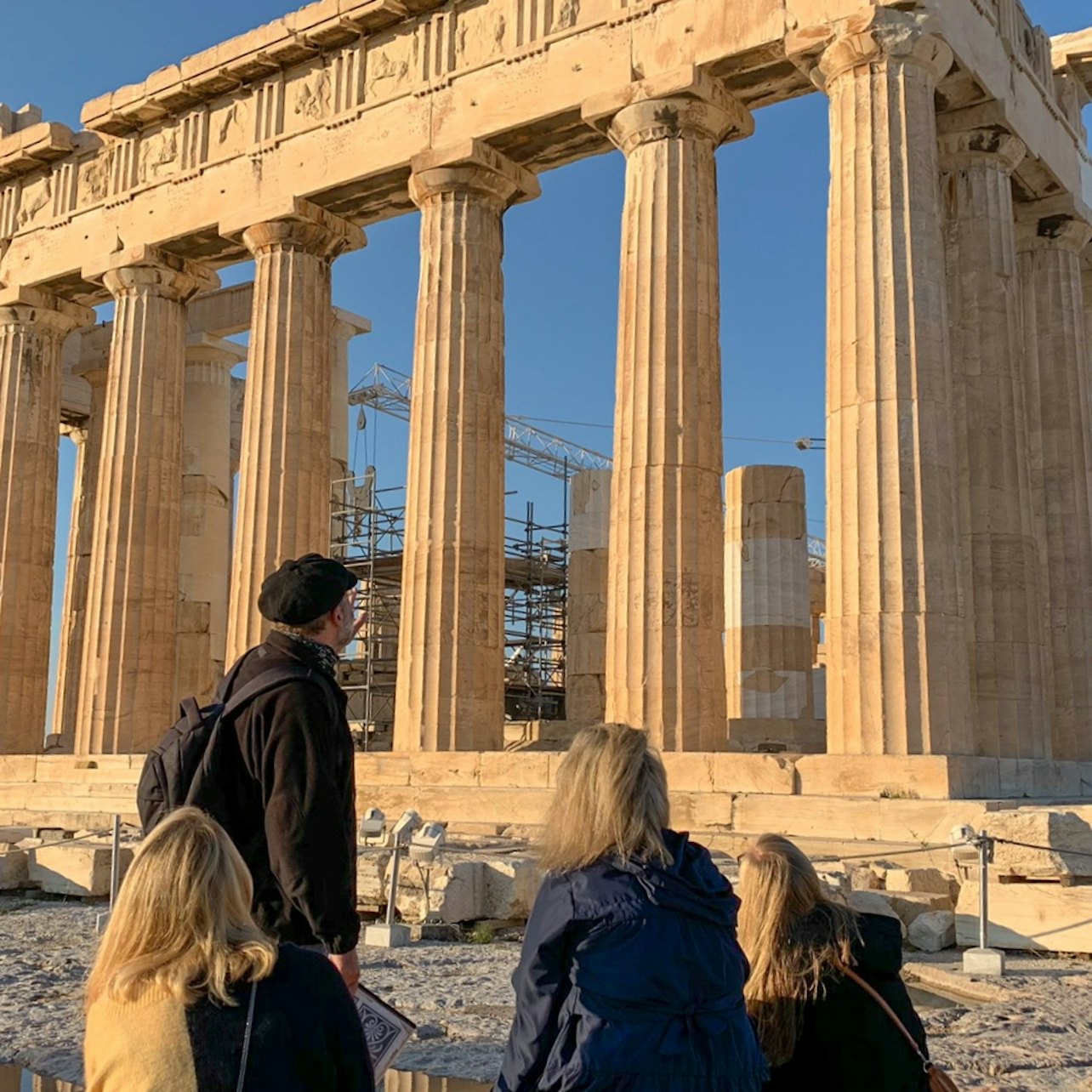
- The Parthenon: The largest and most famous temple on the Acropolis, dedicated to Athena Parthenos. Its precise proportions and subtle optical refinements—such as slightly curved columns and a gently rising floor—were designed to counter visual distortion and remain a benchmark of Classical architecture.
- The Erechtheion: An asymmetrical temple built on uneven ground, best known for the Porch of the Maidens. The sculpted Caryatids you see on site are replicas; the originals are preserved in the Acropolis Museum.
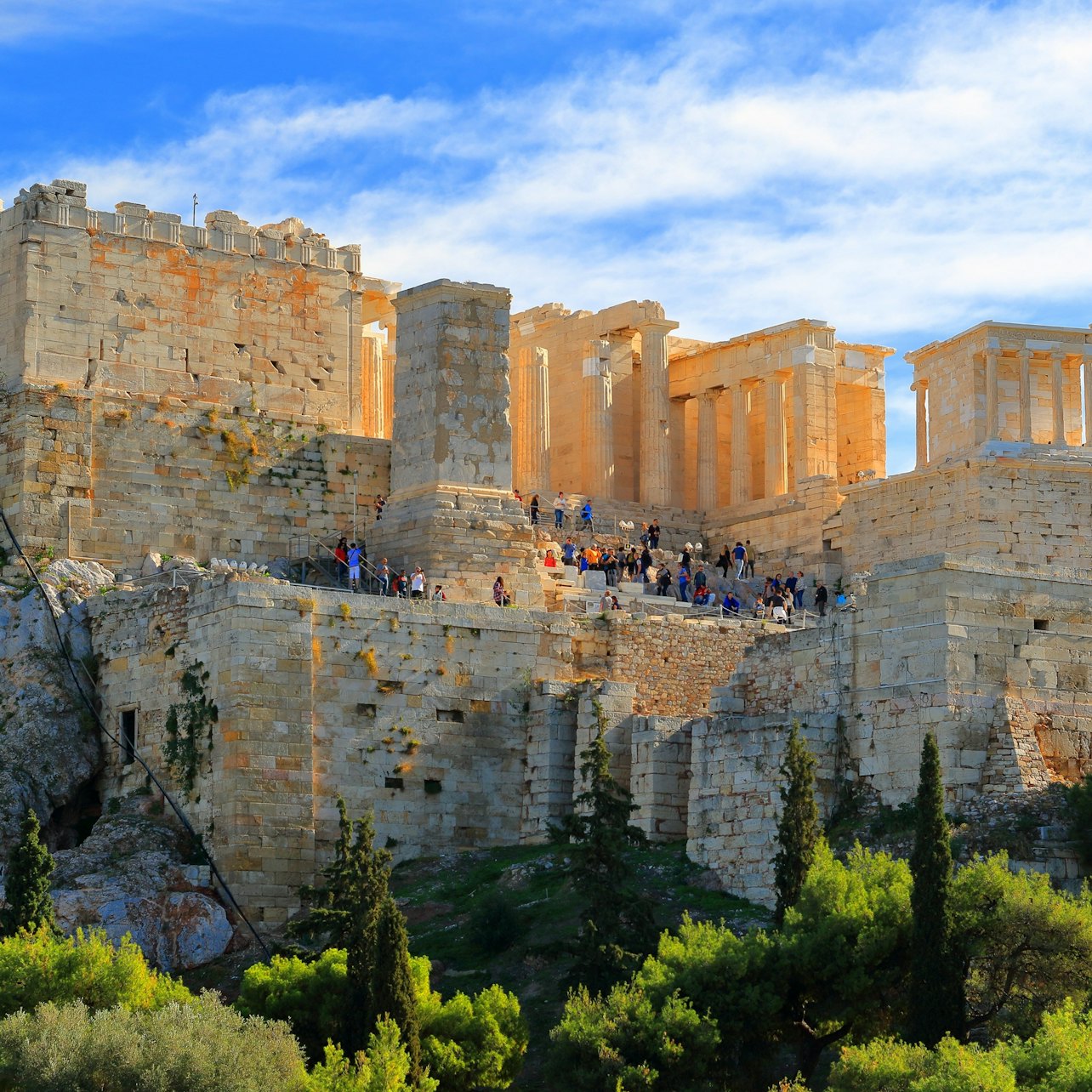
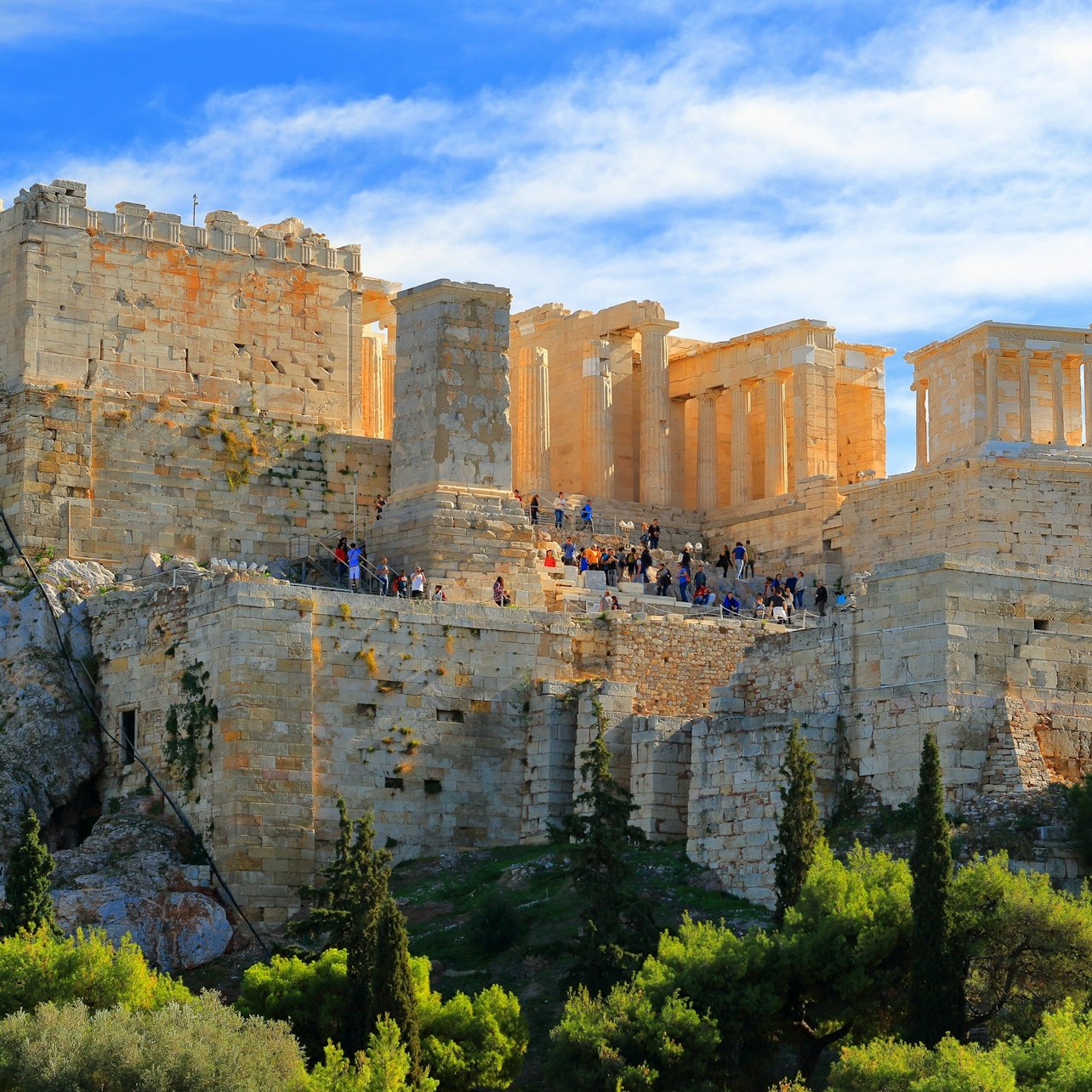
- The Temple of Athena Nike: A small Ionic temple near the entrance, commemorating Athenian victories over Persia and symbolizing protection for the city.
- The Propylaea: The monumental gateway that marks the transition from the everyday city to the sacred space of the Acropolis.
Together, these monuments illustrate the religious, political, and artistic priorities of ancient Athens.
Navigating Your Visit
The Acropolis sits on a limestone plateau approximately 156 meters above sea level, with limited shade and reflective marble surfaces. Planning ahead makes a significant difference.
Timing and Crowds
Arriving at opening time or later in the afternoon generally offers a more comfortable experience. Midday visits, especially in summer, are hotter and busier. During peak season, a timed entry system may be in place to manage visitor flow, so punctual arrival matters.
Entrance Points
- Main Entrance (West): The primary access point and the busiest, especially for group tours.
- South Slope Entrance: Located near the Acropolis Museum, this route is often quieter and includes important sites such as the Theatre of Dionysus and the Sanctuary of Asclepius on the way up.
Essential Tips
- Footwear: Marble paths are worn smooth and can be slippery. Shoes with strong grip are essential.
- Accessibility: A lift for visitors with mobility limitations is installed on the north side of the hill. Availability can vary, and advance coordination is recommended.
- Water and sun protection: Bring a refillable bottle, sunscreen, and a hat, particularly from late spring through early fall.
Tickets and Practical Information
Tickets are sold either for the Acropolis alone or as a Combination Ticket, which also includes several major archaeological sites in Athens, such as the Ancient Agora, Roman Agora, and Hadrian’s Library. The combination option is usually better value if you plan to explore beyond the Acropolis over multiple days.
Opening hours change seasonally, with longer hours in summer and shorter days in winter. The site is open year-round, except on certain public holidays or during extreme weather conditions.
Make the Most of Your Visit
To fully appreciate the Acropolis, consider pairing your visit with the Acropolis Museum, which provides essential context and displays original sculptures removed from the hill for preservation. Secure your tickets in advance, choose a time that suits your pace and tolerance for heat, and plan your route up the hill carefully. With the right preparation, a visit to the Acropolis becomes not just a sightseeing stop, but a deeper understanding of Athens itself.
Ongoing Exhibitions
There are currently no ongoing exhibitions
See all ongoing local exhibitions in Athens
Tickets for Acropolis of Athens